
The Adventures of Werner Holt
1965
No user ratings available yet
Representation score: 4.0 out of 10
Representation Score
Fair
1968
Director
Egon Günther
Runtime
107 minutes
Average Rating
No ratings yetNew Showbiz Analysis
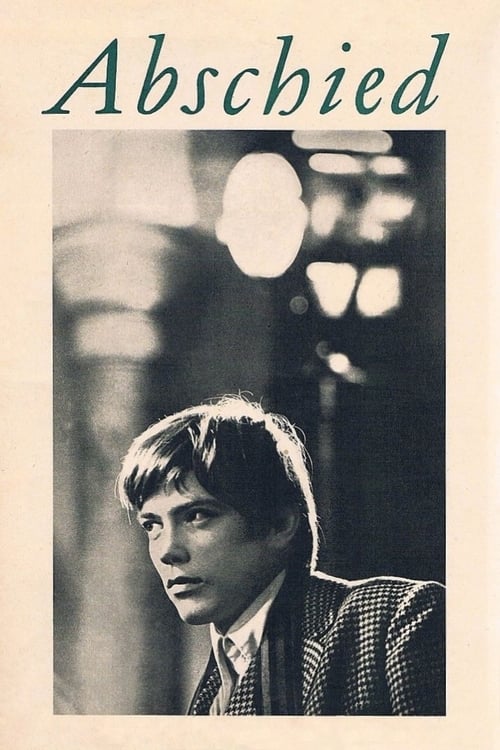
Egon Günther’s *Farewell* is a historical drama that prioritizes systemic critique over individual identity politics. Its primary strength lies in its deconstruction of class, nationalism, and the bourgeois establishment through a historical materialist lens. While the film lacks modern markers of diversity like racial or LGBTQ+ inclusion, it effectively challenges the traditional social orders of the early 20th century. It frames the rejection of duty as a vital act of resistance against oppressive institutions. Ultimately, the film is a specialized study of social stratification. It prioritizes a concentrated ideological examination over broad demographic representation.
Category Breakdown
The film does not depict any non-straight relationships or same-sex intimacy. It focuses solely on the protagonist's struggle with social constraints during the early 20th century.
The narrative criticizes rigid patriarchal structures by focusing on a protagonist who rejects traditional masculine war rituals. This emphasizes individual moral decision-making over established gender roles.
The cast is primarily made up of actors from similar backgrounds, reflecting the film's focus on German social issues. It does not include diverse ethnic representation.
The film provides a critical look at Western institutional power and nationalist fervor. It portrays the family unit and bourgeois patriotism as systemic forces demanding individual sacrifice.
There is no depiction of physical or neurodivergent disabilities in the narrative.
Present on Screen
Limited or Absent
Official Synopsis
In August of 1914, amidst the public ecstasy surrounding the impending war, Hans Gastl, the young son of a Munich bürger, makes a decision: he will not take part in this war. This resolution signifies a turning point in his life; a farewell to his class and his family.
1965

1959
1979

1969
2007

2002

1977

2019
No reviews yet. Be the first to share your thoughts on this movie!
Use the rating form above to leave a star rating and optional review.