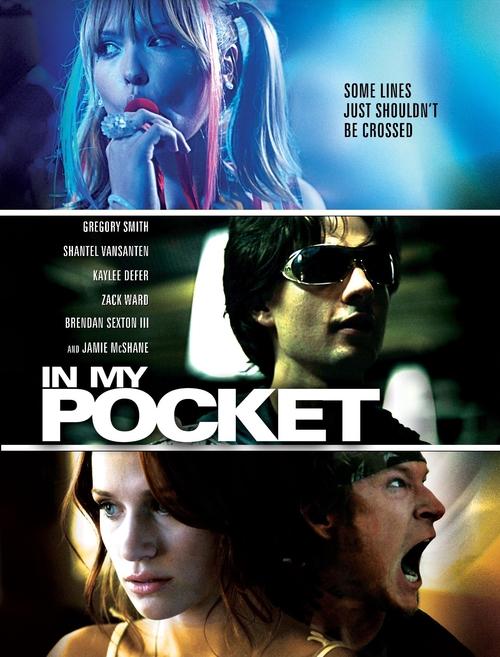
In My Pocket
2011
No user ratings available yet
Representation score: 3.9 out of 10
Representation Score
Limited
1988
RDirector
Harold Becker
Runtime
95 minutes
Average Rating
No ratings yetNew Showbiz Analysis
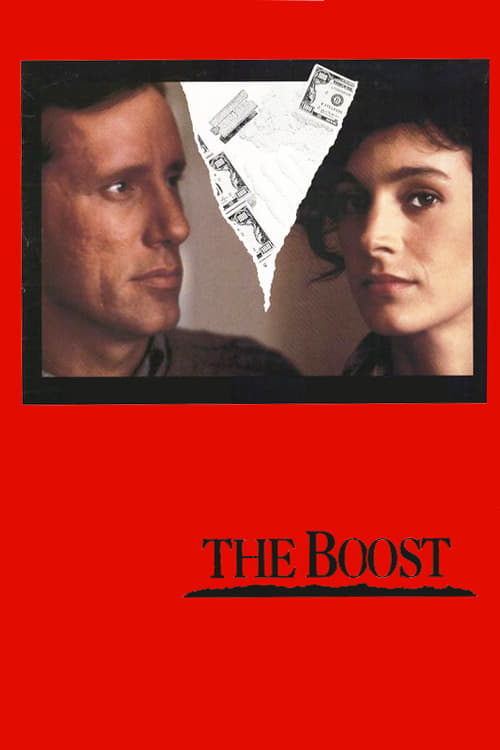
The Boost is a character-driven drama focusing on individual addiction and financial struggles within a traditional dramatic framework. The narrative centers on a single protagonist's descent into insanity, limiting opportunities for diverse perspectives or complex social critiques. The film's representation is dominated by a homogeneous, white, heterosexual social environment. It relies on well-established 1980s clichés, especially concerning gender and mental health, which hinders a more contemporary or layered exploration of its themes. Overall, the film offers a narrow examination of personal mismanagement and chemical dependency. It falls short in disrupting social hierarchies or representing underrepresented groups effectively.
Category Breakdown
The film does not include any LGBTQ+ characters or explore non-straight relationships. The story focuses solely on heterosexual relationships and the protagonist's psychological breakdown.
The story follows traditional gender roles and 1980s dramatic conventions. It does not challenge traditional gender hierarchies or offer a deeper look into masculinity.
The film features a mostly white cast, reflecting a homogeneous setting. There is a lack of characters of color with significant roles or diverse backgrounds.
The film portrays the protagonist's downfall through personal addiction rather than a broader critique of institutions. It does not promote secular views or empower anti-social behavior.
Themes of mental instability are used as plot devices to show the protagonist's decline. The portrayal leans towards common clichés of madness rather than offering a nuanced view of neurodivergence.
Present on Screen
Limited or Absent
Official Synopsis
Lenny Brown moves to California to find his fortune in tax shelter investments. When the federal government changes the tax laws, poor Lenny finds himself $700,000 in hock with nowhere to turn. His friend, Joel, introduces him to cocaine to give Lenny that needed "boost". What ensues next is a descent into drug addiction and insanity as Lenny tries to regain control of his life, all the while needing that extra "boost".
2011

1982

1971

1991

2019

1971

2004
1986
No reviews yet. Be the first to share your thoughts on this movie!
Use the rating form above to leave a star rating and optional review.