
Incognito
2009
No user ratings available yet
Diversity score: 3.8 out of 10
2011
UnratedDirector
Brian Jett
Runtime
109 minutes
Average Rating
No ratings yetSynopsis
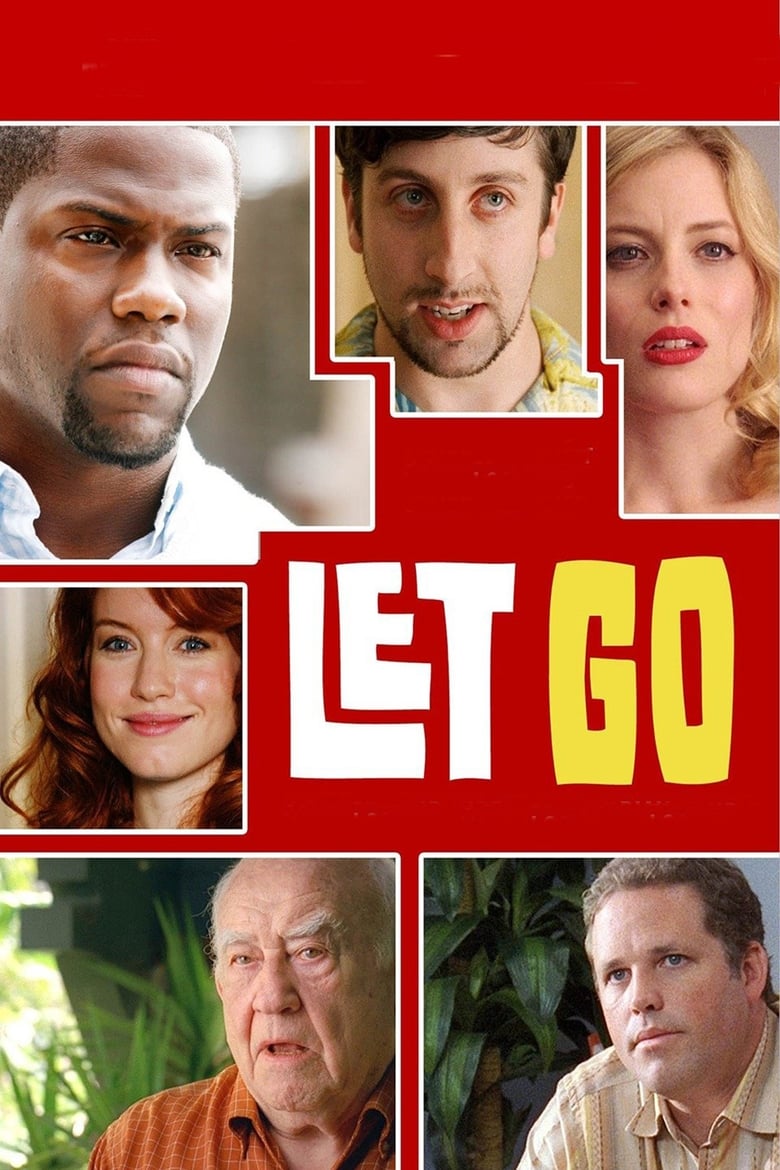
Walter Dishman, a married and melancholy parole officer, deals with three eccentric ex-convicts who have been placed under his supervision.
Overall Score
Limited
Category Breakdown
LGBTQ+ Representation
The film lacks visible engagement with non-heteronormative identities. The narrative focuses strictly on the professional dynamics between a parole officer and his subjects.
Gender Representation
The story centers on a male protagonist and a male-dominated social circle. It offers no evidence of female agency or the subversion of traditional gender hierarchies.
Racial & Ethnic Diversity
There is no specific information regarding the racial or ethnic composition of the cast. The film's casting standards remain unconfirmed based on the available details.
Religious & Cultural Diversity
The premise explores the reintegration of ex-convicts but lacks a clear critique of Western institutions or religious morality. It follows a standard character-driven comedy structure.
Disability Representation
No information is available regarding the portrayal of neurodivergence, physical disabilities, or mental health conditions within the character arcs.
Strengths
Areas for Improvement
AI Analysis
Let Go operates within a traditional comedic framework that prioritizes individual character eccentricities over systemic social critique. The narrative architecture is built around a male-centric interpersonal conflict involving a parole officer and three ex-convicts. Because the story focuses on these specific masculine dynamics, it fails to provide meaningful representation for women, LGBTQ+ individuals, or diverse racial ensembles. The film lacks the intersectional complexity needed to challenge conventional social hierarchies. Ultimately, the production appears to adhere to standard tropes rather than attempting to deconstruct societal frameworks or promote progressive social values.
2009
2014

1996
2001

1994
2005
2009

2015

2003

2016

2008

2020
No reviews yet. Be the first to share your thoughts on this movie!
Use the rating form above to leave a star rating and optional review.