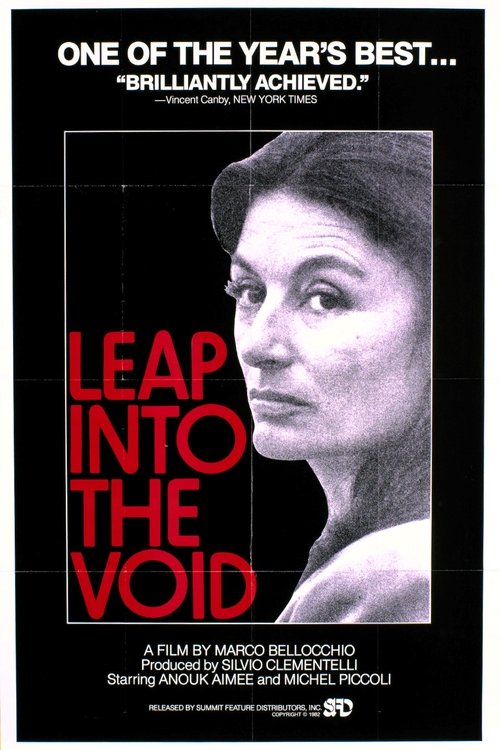
A Leap in the Dark
1980
No user ratings available yet
Representation score: 7.7 out of 10
Representation Score
Good
1971
Director
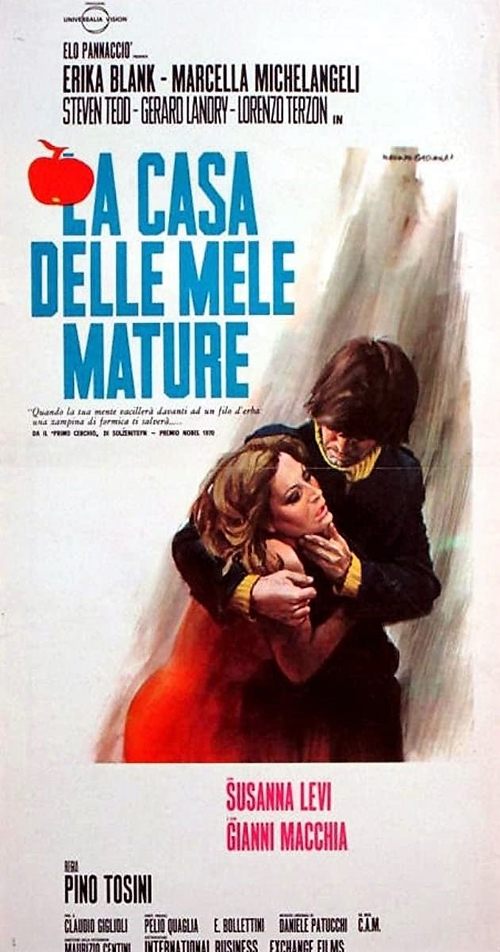
Pino Tosini
Runtime
90 minutes
Average Rating
No ratings yetNew Showbiz Analysis
The film offers a pointed critique of traditional social structures, particularly regarding gender and institutional care. By centering the narrative on women navigating mental health crises, it challenges patriarchal norms and the efficacy of traditional masculine leadership. However, the work remains limited by the demographic homogeneity typical of its era and lacks explicit LGBTQ+ representation. While it succeeds in deconstructing the 'family' unit, it does so within a largely localized European framework. Ultimately, the film's strength lies in its social realism and its refusal to present the family or medical institutions as inherently stable or benevolent.
Category Breakdown
The film does not explicitly depict non-straight or non-cisgender identities or same-sex relationships. However, it may offer subtle critiques of traditional relationship norms.
The story challenges traditional gender roles by focusing on the psychological struggles of women. It contrasts supportive male care with a rigid, patriarchal approach that prioritizes family honor over female well-being.
The film operates within a localized European social context. There is no indication of a multi-ethnic cast or the subversion of the era's standard demographic uniformity.
The narrative critiques Western institutions by portraying the family as a source of oppression rather than stability. It highlights systemic failures through the depiction of a poorly managed clinic.
The film addresses mental health issues by exploring the lived experiences of characters needing psychiatric care. It uses these struggles to highlight systemic inadequacies rather than using illness as a mere plot device.
Present on Screen
Limited or Absent
Official Synopsis
Marisa and Judy need mental help, but find themselves in a poorly managed clinic. While Marisa's husband cares for her and helps her out, Judy's brother cares more about his idea of family honor and the protection of his investments in factories, leaving his sister alone...
1980

1965
1968

1961
2001

1974

1979
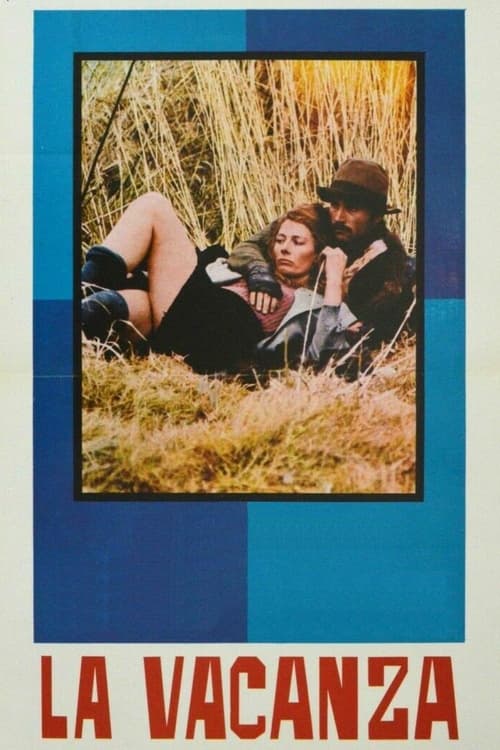
1971
No reviews yet. Be the first to share your thoughts on this movie!
Use the rating form above to leave a star rating and optional review.