
There Will Come Soft Rains
1984
No user ratings available yet
Representation score: 2.2 out of 10
Representation Score
Excellent
1963
Director
Jiří Trnka
Runtime
29 minutes
Average Rating
No ratings yetNew Showbiz Analysis
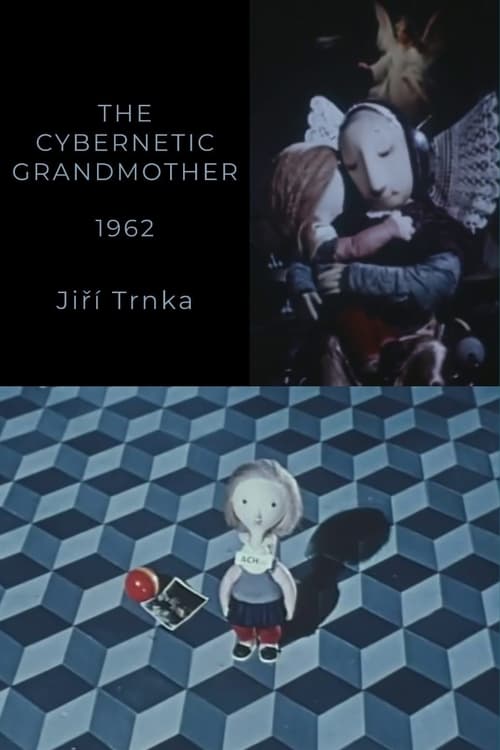
Jiří Trnka’s animation serves as a poetic meditation on the limitations of technology. By focusing on the irreplaceable value of human intimacy, the film challenges the typical sci-fi cliché of technological triumph. The work functions as a cautionary tale against the mechanization of life. It suggests that the essence of human connection is too fragile to be replaced by systemic or mechanical impositions. Ultimately, the film advocates for preserving wisdom and emotional labor. It critiques a future where human relationships might be commodified or automated by sterile, cybernetic substitutes.
Category Breakdown
The story focuses on the relationship between a child and a maternal figure. There are no explicit LGBTQ+ themes or identities present in this story.
The film centers on the grandmother figure, highlighting maternal warmth. It suggests that the empathy inherent in womanhood cannot be matched by cold, mechanical logic.
As a 1963 Czechoslovakian production, the film is set in a specific historical context. No details about a diverse cast or specific ethnic markers are provided.
The story offers a sophisticated critique of technological automation. It emphasizes the value of organic, traditional human relationships over sterile, mechanized efficiency.
The plot focuses on the contrast between biological life and cybernetic simulation. There is no mention of neurodivergence or physical disability.
Present on Screen
Limited or Absent
Official Synopsis
Trnka’s sci-fi vision of the future in which machines and robots try to substitute themselves into the most beautiful human relationships. A cybernetic robot is supposed to substitute for the loving grandmother of a little girl. The wise grandmother, however, comes back and the girl finds the warmth of her grandmother’s loving arms again. Trnka’s artistic ideas in this film can be described as both poetically fragile and dramatically cautionary.
1984
1991
1976

2010
1980
1973
1977
1986
No reviews yet. Be the first to share your thoughts on this movie!
Use the rating form above to leave a star rating and optional review.