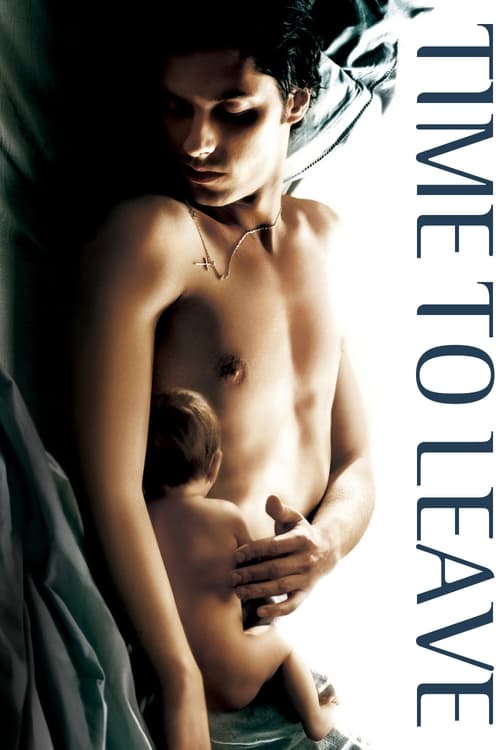
Time to Leave
2005
No user ratings available yet
Representation score: 7.5 out of 10

Representation Score
Good
1973
Director
Jean Pierre Lefebvre
Runtime
92 minutes
Average Rating
No ratings yetNew Showbiz Analysis
The film is a focused character study that prioritizes existential inquiry over broad demographic variety. It succeeds by challenging traditional domestic hierarchies, particularly through Rose's quiet but decisive role in the face of mortality. While the narrative lacks racial and LGBTQ+ diversity, it offers a progressive critique of institutional authority. By centering the story on the home rather than a medical setting, it emphasizes personal truth over systemic regulation. Ultimately, the film's strength lies in its nuanced treatment of physical vulnerability and the deconstruction of traditional social structures within a domestic space.
Category Breakdown
The film focuses on a long-term heterosexual marriage. There is no clear indication of LGBTQ+ themes or characters with diverse sexual orientations.
Rose takes a significant role in driving the story by secretly deciding her own end-of-life terms. This transforms the household dynamic from a patriarchal structure to a partnership of equals.
The story seems to be an intimate, localized character study. It focuses on a homogeneous social environment without showing diverse racial casting.
The narrative critiques medical and societal institutions by emphasizing domesticity over clinical care. It favors a secular, individualistic worldview over religious or systemic dictates.
Armand’s cardiac condition serves as a central plot driver. The film explores the lived experience of chronic illness and the actions needed to navigate a failing body.
Present on Screen
Limited or Absent
Official Synopsis
After another cardiac arrest, Armand knows he doesn't have long left to live. But after more then 70 years in the same house, he doesn't want to die anywhere other than at home. His wife Rose has secretly decided she will die as she lived: with him.
2005

1983

1980

2001

2010
2003

1974

2014
No reviews yet. Be the first to share your thoughts on this movie!
Use the rating form above to leave a star rating and optional review.