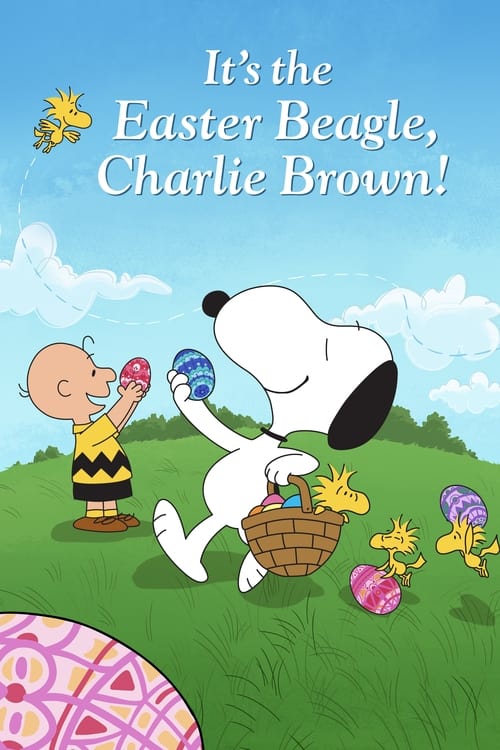
It's the Easter Beagle, Charlie Brown
1974
No user ratings available yet
Representation score: 2.6 out of 10
Representation Score
Minimal
1974
Director
Phil Roman
Runtime
25 minutes
Average Rating
No ratings yetNew Showbiz Analysis
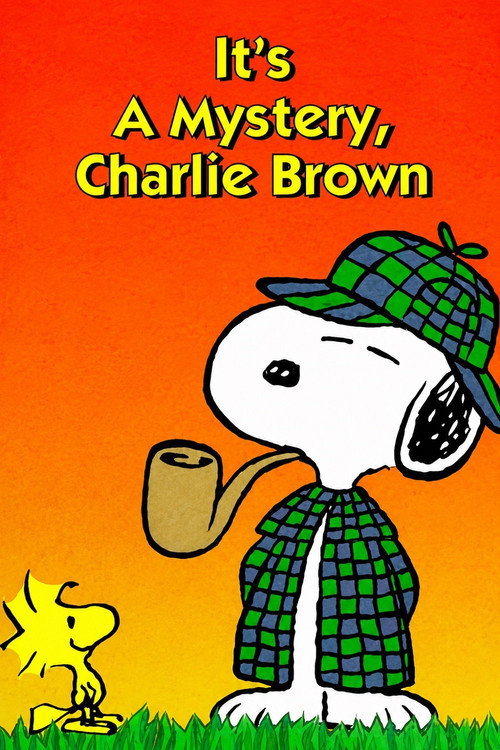
This production follows a traditional narrative structure that maintains the status quo of the Peanuts universe. It emphasizes episodic, character-driven storytelling over progressive social commentary or disrupting social hierarchies. The film adheres to mid-century Western social norms, presenting a homogeneous world that lacks intentional characters who reflect more than one aspect of diversity. While certain characters exhibit personality depth, these traits are framed within comedic archetypes rather than meaningful social exploration. Ultimately, the film serves as a restorative piece of animation, focusing on a gentle mystery rather than addressing systemic diversity or identity issues.
Category Breakdown
The film does not include any LGBTQ+ characters or themes. The mystery revolves around Snoopy and Woodstock, with no queer-coded subtext or identity-based exploration.
Lucy van Pelt demonstrates significant assertiveness and control, often dominating interpersonal dynamics. However, her actions align with traditional 'bossy' stereotypes rather than challenging gendered power structures.
The ensemble cast reflects a homogeneous perspective typical of 1970s animation. Characters are predominantly Western, lacking diverse ethnic identities or intentional multi-layered casting.
The story upholds conventional middle-class suburban norms and social stability. It presents a world of predictable interactions and gentle morality without deconstructing Western institutions.
Charlie Brown’s social anxiety is portrayed as a comedic personality trait. The narrative does not explore neurodivergence or disability as a central theme.
Present on Screen
Limited or Absent
Official Synopsis
When Woodstock's fancy new nest disappears one afternoon, he turns to Snoopy for help. Adopting the guise of Sherlock Holmes (complete with cloak, deerstalker cap and bubble pipe), Snoopy and Woodstock go on the hunt for the missing nest.
1974

1977
1981
1980
1980
1975
1968
1976
No reviews yet. Be the first to share your thoughts on this movie!
Use the rating form above to leave a star rating and optional review.