
Only People
1957
No user ratings available yet
Representation score: 6.7 out of 10
Representation Score
Fair
1975
PGDirector
Larry Peerce
Runtime
103 minutes
Average Rating
No ratings yetNew Showbiz Analysis
The film is a character-driven study that finds its greatest strength in its nuanced portrayal of disability. By focusing on the protagonist's recovery journey, it provides characters with physical impairments genuine depth and ability to act. However, the production remains anchored in the social and demographic conventions of its era. It lacks diversity, functioning within a localized, culturally specific setting that does not challenge traditional Western casting norms. Ultimately, the work prioritizes humanistic complexity and individual perseverance over broader systemic or ideological critiques.
Category Breakdown
The film follows the straight-centered norms typical of 1970s romantic dramas. There are no representations of same-sex relationships or non-binary identities.
The main character plays a significant role in driving the story, demonstrating strong resilience and self-reclamation. The narrative avoids the cliché of the helpless woman by highlighting her ability to act and strength.
The cast is primarily Anglo-Saxon, reflecting the demographic uniformity of mid-70s mountain dramas. The story does not engage with racial or ethnic diversity.
The film operates within a standard Western framework focused on personal achievement. It lacks significant religious or cultural conflicts, prioritizing psychological and physical realities.
The film excels in depicting the lived experience of paralysis and sensory disabilities. It avoids 'inspiration porn' by emphasizing the challenging, non-linear nature of recovery.
Present on Screen
Limited or Absent
Official Synopsis
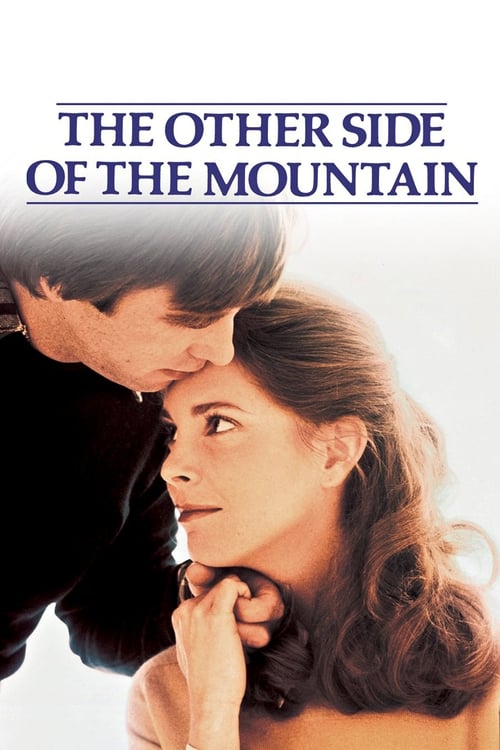
One year before the Olympics, Jill Kinmont, an 18-year-old skiing champion, suffers a fall during competition and is left paralyzed. With her life now completely altered, she undergoes an exhausting fight to regain some of what she has lost.
1957

2019

2014
1969
1964
2005
1979

2015
No reviews yet. Be the first to share your thoughts on this movie!
Use the rating form above to leave a star rating and optional review.