Paupahan
2008
No user ratings available yet
Representation score: 6.2 out of 10
Representation Score
Fair
2009
Director
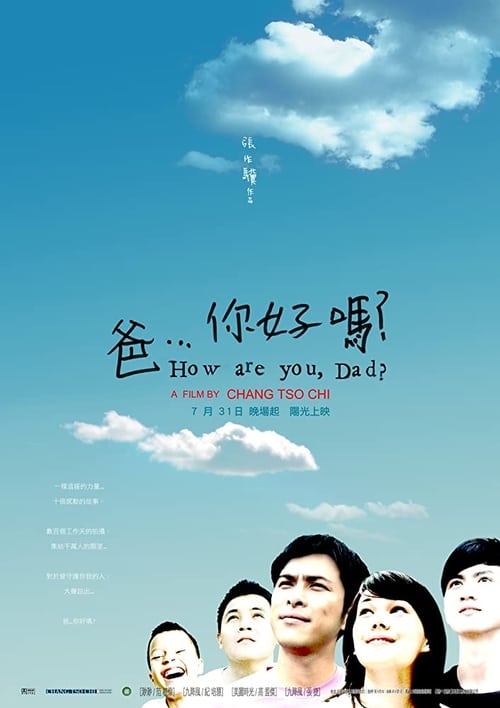
Chang Tso-chi
Runtime
107 minutes
Average Rating
No ratings yetNew Showbiz Analysis
How Are You, Dad? uses an anthology format to explore various aspects of fatherhood, moving away from a singular, idealized portrayal. By presenting ten distinct stories, the film dismantles the monolithic concept of fatherhood and highlights more nuanced and complex relationships. The non-Western production context offers a fresh perspective that challenges traditional Hollywood family clichés. However, the heavy focus on male relationships limits broader gender diversity. Additionally, the lack of specific information about LGBTQ+ or disability representation leaves gaps in the film's overall inclusivity.
Category Breakdown
The film explores complex identities but does not confirm any non-straight characters. It hints at diverse representations but does not provide explicit examples.
The film focuses on male relationships, particularly the father-son dynamic. It aims to challenge traditional masculine stereotypes by showing more vulnerable and varied masculine roles.
Directed by Chang Tso-chi, the film centers on non-Western cultural nuances, providing an alternative to Anglo-Saxon dominance by highlighting specific cultural hierarchies and family structures.
The anthology format presents ten unique stories, avoiding a single moral message. This structure critiques simple traditional family models in favor of more complex and situational ethics.
There is no indication within the narrative that disability plays a central role or drives the character arcs.
Present on Screen
Limited or Absent
Official Synopsis
A father can have many different kinds of faces. Which one does your father have? This is a film of ten short stories, and each shows a different relationship between a father and his son. Each story reveals the complexity between fathers and sons.
2008
2007

2010
1997
2021

2004
2016

2012
No reviews yet. Be the first to share your thoughts on this movie!
Use the rating form above to leave a star rating and optional review.