Ten Years Thailand
2018
No user ratings available yet
Representation score: 9.5 out of 10
Representation Score
Good
2012
Director
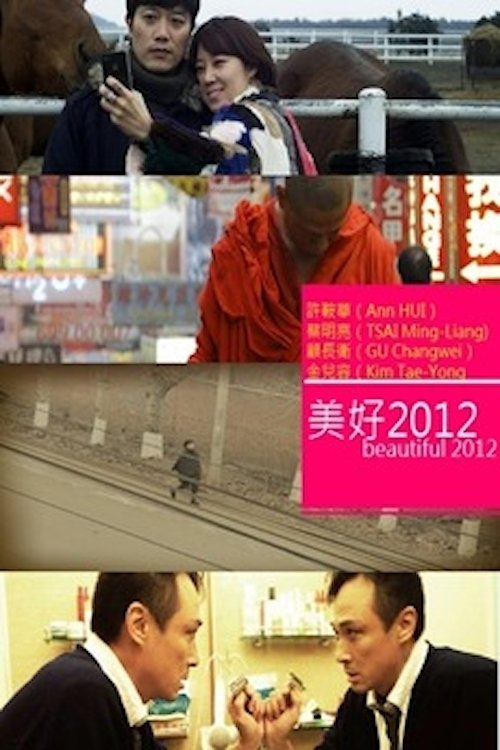
Kim Tae-yong, Gu Changwei, Tsai Ming-liang, Ann Hui
Runtime
90 minutes
Average Rating
No ratings yetNew Showbiz Analysis
Beautiful 2012 is a sophisticated anthology that uses the expertise of renowned East Asian filmmakers to explore identity and urban alienation. By focusing on non-Western perspectives, the film avoids the homogenization common in global cinema and offers a culturally specific experience. The film stands out for its intentional approach to gender and LGBTQ+ themes. The inclusion of a transgender narrative and explorations of pregnancy move the storytelling away from traditional formulas toward nuanced, character-driven narratives. While the film offers rich cultural specificity, it lacks visible representation for physical or neurodivergent disabilities. However, its commitment to exploring diverse identities and subjective experiences makes it a meaningful contribution to contemporary cinema.
Category Breakdown
Ann Hui's segment focuses on a male-to-female sex change, highlighting the complex, lived experience of gender transition.
The anthology explores gender through pregnancy and transition, emphasizing the internal ability to act and emotional complexity of female and non-binary subjects.
The film centers on non-Western identities, presenting an omnibus of East Asian perspectives rooted in Chinese and Hong Kong urban life, thus resisting the Western gaze.
The segments delve into individual truths and urban alienation, often critiquing modern systemic pressures and traditional social structures.
There is no explicit evidence regarding the depiction of physical or neurodivergent disabilities within the film.
Present on Screen
Limited or Absent
Official Synopsis
A collection of shorts by four East Asian directors: Ann Hui on a male-to-female sex change, Kim Tae-yong on an emotional imposture, Gu Changwei on pregnancy in China and Tsai Ming-Liang on time and the city of Hong Kong.
2018
2007
2011

2012
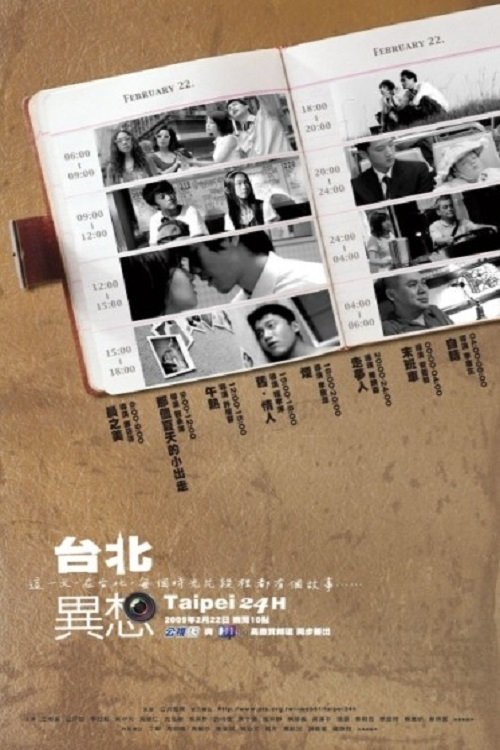
2009
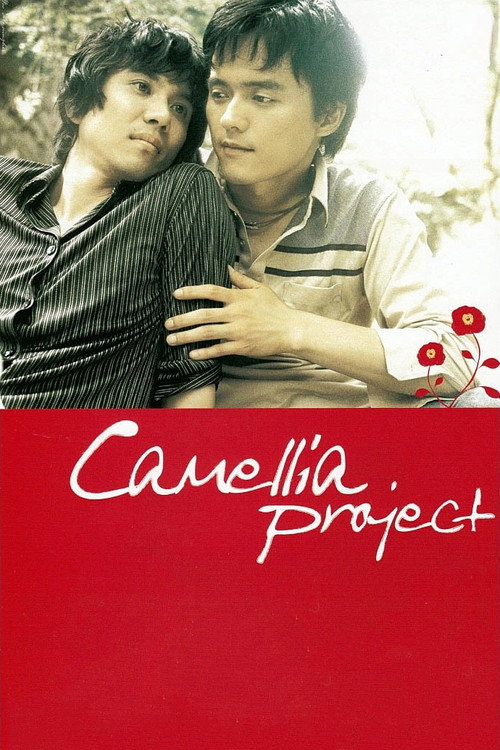
2005
2003
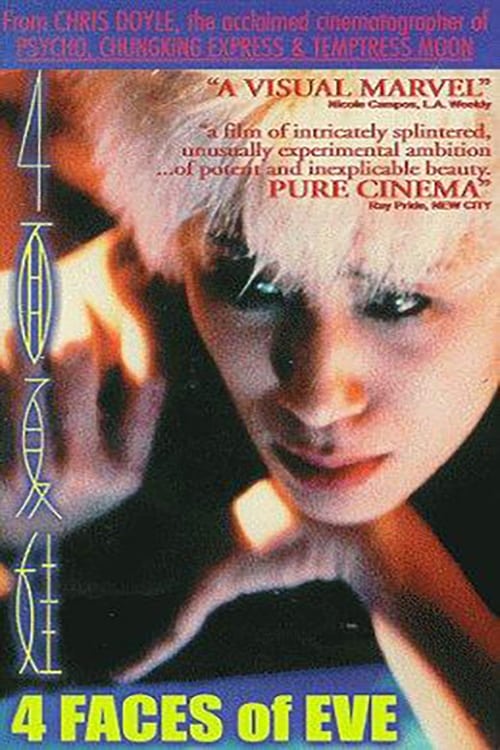
1996
No reviews yet. Be the first to share your thoughts on this movie!
Use the rating form above to leave a star rating and optional review.