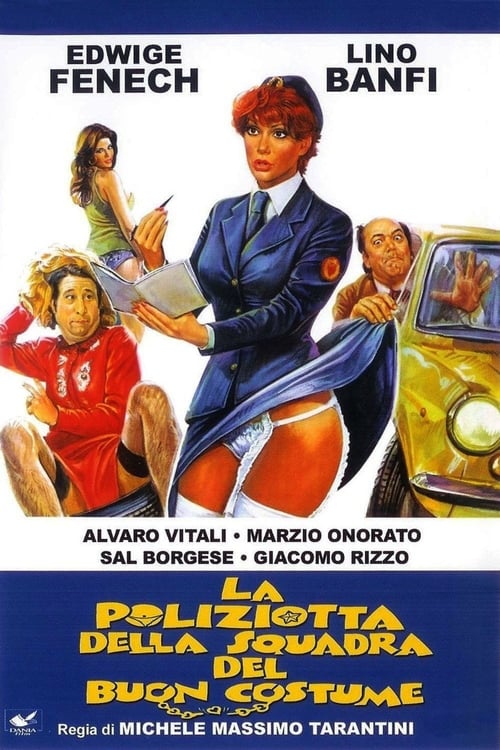
A Policewoman on the Porno Squad
1979
No user ratings available yet
Representation score: 1.6 out of 10
Representation Score
Limited
1976
Director
Michele Massimo Tarantini
Runtime
90 minutes
Average Rating
No ratings yetNew Showbiz Analysis
Confessions of a Lady Cop presents a complex mix of professional empowerment and genre-driven objectification. While the protagonist challenges the status quo by proving her operational brilliance within the police force, the film remains deeply rooted in the erotic comedy traditions of its era. The production lacks meaningful representation across most identity markers, maintaining a homogeneous cast and a conventional worldview. It functions more as a character study of institutional integration than a tool for social subversion. Ultimately, the film's attempt to disrupt gender hierarchies is complicated by its reliance on sexualized clichés, resulting in a work that is both progressive in its professional depiction and regressive in its visual presentation.
Category Breakdown
The film does not include any LGBTQ+ characters. It follows the traditional romantic and sexual norms of 1970s Italian genre cinema.
Gianna Amicucci gains respect through her professional competence in a male-dominated academy. However, the film relies heavily on erotic comedy clichés and sexualized presentation.
The cast is mostly homogeneous, reflecting the production context of 1970s Italian comedy. It focuses on a localized urban environment without using diverse ethnic ensembles.
The narrative operates within traditional frameworks of law enforcement and state institutions. The protagonist seeks integration into the existing system rather than challenging it.
There are no characters with visible or invisible disabilities. The film does not engage with neurodivergence or physical impairment.
Present on Screen
Limited or Absent
Official Synopsis
Gianna Amicucci works in the house of the head of her hometown police force and enters the academy with a kickback from him. She is a beautiful woman (she generously sheds clothes during the film) and has to overcome her male colleagues prejudices, but she gains their respect through a series of brilliant operations.
1979

1970
1974
1972

2001

1977
1987
1977
No reviews yet. Be the first to share your thoughts on this movie!
Use the rating form above to leave a star rating and optional review.