
Italian Gangsters
2015
No user ratings available yet
Representation score: 3.1 out of 10
Representation Score
Limited
1995
Director
Janko Baljak
Runtime
36 minutes
Average Rating
No ratings yetNew Showbiz Analysis
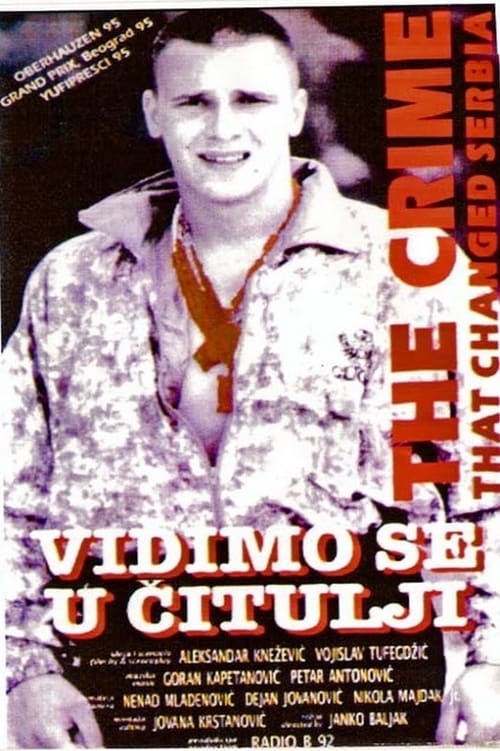
See You in the Obituary serves as a sociological snapshot of the Belgrade criminal underworld during the Yugoslav Wars. Its structure is dictated by investigative journalism rather than a drive to challenge common expectations or promote diverse casting. The film prioritizes the documentation of systemic collapse and criminal sociology. While it provides a female perspective through its narrator, the content remains focused on the historical realities of wartime chaos and organized crime. Ultimately, the work lacks deliberate character-driven ability to act or diverse casting, functioning instead as a historical record of a specific geopolitical moment.
Category Breakdown
The film focuses on organized crime and wartime chaos. There is no visible evidence of LGBTQ+ identities or narratives that challenge the assumption that everyone is straight or cisgender.
Journalist Dina Čolić-Anđelković provides a female lens on a male-dominated underworld. However, it is unclear if women play a significant role in driving the story beyond their role as observers.
The documentary centers on the Belgrade underworld during the Yugoslav Wars. Representation is tied to regional geopolitical identities rather than intentional efforts to include diverse backgrounds.
The film documents the collapse of social and state institutions. It presents criminal behavior as a journalistic observation of a chaotic era rather than an ideological critique.
There is no evidence that disability, neurodivergence, or chronic illness are central themes or visible elements within this documentary.
Present on Screen
Limited or Absent
Official Synopsis
Made in the form of an extended news report and narrated by journalist Dina Čolić-Anđelković, the film presents a snapshot of the chaotic Belgrade criminal underworld in the early 1990s which sprung up against the backdrop of Yugoslav wars. The film is composed of fragments from interviews with individuals directly involved with criminal activities either through perpetrating them or through trying to stop them.
2015
2002
2000
2018

1996
1997
1999
2023
No reviews yet. Be the first to share your thoughts on this movie!
Use the rating form above to leave a star rating and optional review.