Norway
2014
No user ratings available yet
Representation score: 3.6 out of 10
Representation Score
Fair
2017
Director
Thomas Aske Berg, Fredrik Waldeland
Runtime
83 minutes
Average Rating
No ratings yetNew Showbiz Analysis
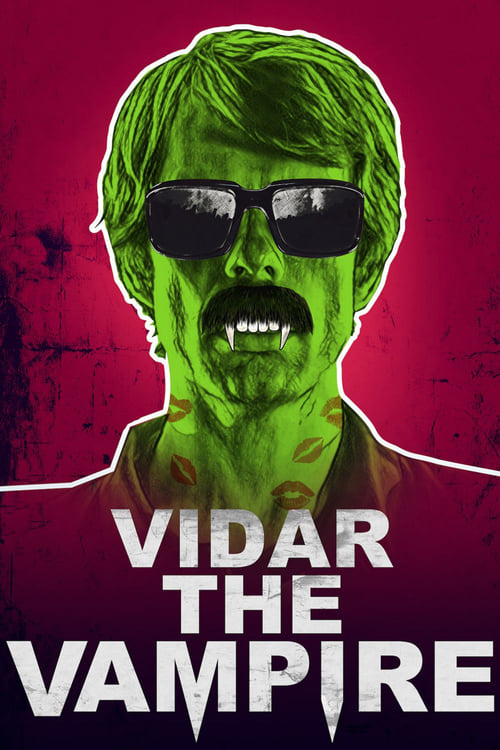
Vidar the Vampire explores existential crisis and supernatural transformation through a character study of an individual's descent from religious stability into urban chaos. The film's diversity is limited by its narrow demographic focus, centering on a singular male archetype within a culturally homogeneous Norwegian setting. However, it achieves progressive merit by deconstructing traditional religious and social hierarchies, replacing rigid moral structures with a framework of supernatural transgression and moral relativism.
Category Breakdown
The film does not include explicit representations of LGBTQ+ characters or non-cisgender identities. The narrative focuses on the protagonist's personal spiritual and biological journey.
The story centers around a single male protagonist. His arc shifts from a traditional provider and farmer to a chaotic, urban figure of power, disrupting conventional masculine roles.
Set in Stavanger, Norway, the film appears rooted in a culturally homogeneous Scandinavian context. There is no indication of a diverse cast or race-bent casting.
The film challenges traditional Western values by depicting a Christian farmer's fall into sin as a path to a greater purpose. It critiques religious morality and agrarian stability.
There is no documented evidence of the portrayal of physical or neurodivergent disabilities in this work.
Present on Screen
Limited or Absent
Official Synopsis
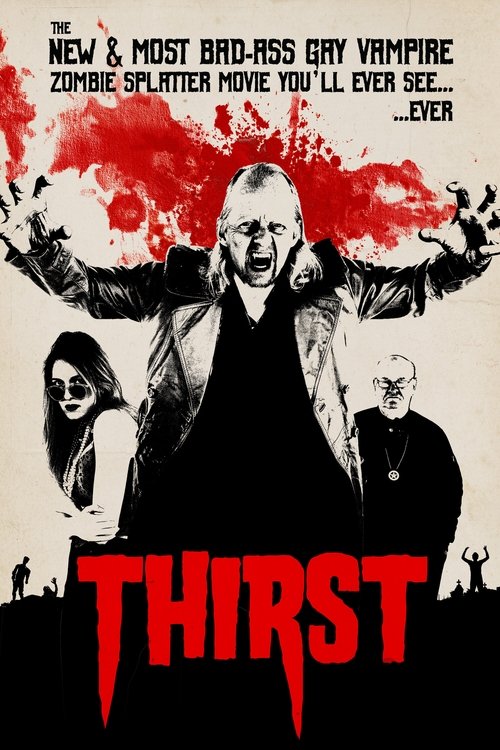
A Christian farmer searching for a higher purpose to life, falls into sin and wakes up as the Prince of Darkness in the city of Stavanger, Norway.
2014

1978

2023
2023
2018

2010
2019

2003
No reviews yet. Be the first to share your thoughts on this movie!
Use the rating form above to leave a star rating and optional review.