Drawing Blood
1999
No user ratings available yet
Representation score: 4.3 out of 10
Representation Score
Good
2019
Director
Steinþór Hróar Steinþórsson, Gaukur Úlfarsson
Runtime
90 minutes
Average Rating
No ratings yetNew Showbiz Analysis
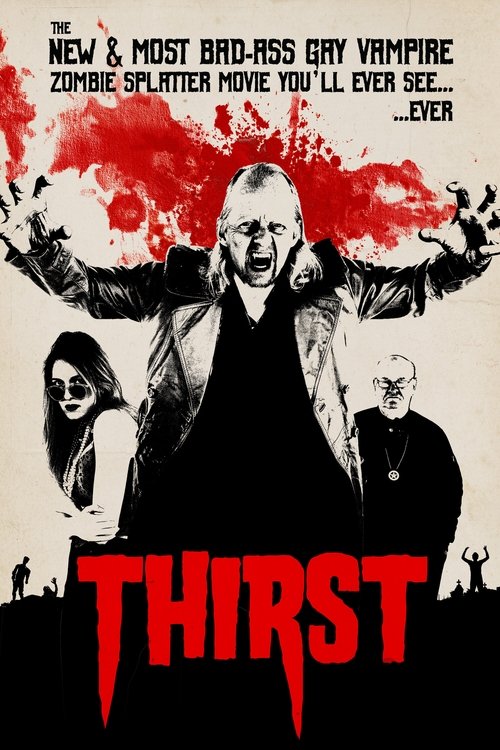
Thirst uses the horror-comedy genre to explore identity and systemic alienation. By centering a queer vampire and a woman underrepresented by the legal system, the film moves beyond conventional genre clichés to focus on character-driven storytelling. The narrative structure challenges mainstream societal norms by highlighting characters who exist outside traditional social structures. This approach allows for a nuanced exploration of queer existence and the failures of institutional authority. While the film excels in queer representation and cultural critique, it remains localized in its casting and lacks explicit depictions of disability or racial diversity.
Category Breakdown
The film features Hjörtur, a thousand-year-old homosexual vampire, whose sexual orientation is integral to his character rather than a mere plot device. This portrayal disrupts traditional stereotypes of vampires as predatory monsters.
Hulda, a woman underrepresented by the legal system, serves as a protagonist who navigates systemic vulnerabilities. Her relationship with Hjörtur avoids traditional gender hierarchies, emphasizing the bond between two individuals who face societal exclusion.
The narrative focuses on Icelandic characters, and there is no indication of a diverse or non-Anglo-Saxon majority cast within the provided context.
The story critiques Western institutions such as the law and the state by pairing a human failed by the justice system with a supernatural outsider. This highlights the individual experience over institutional reliability.
Hulda experiences psychological despair due to her legal circumstances. However, there is no explicit depiction of physical disabilities or neurodivergence.
Present on Screen
Limited or Absent
Official Synopsis
Being detained under the suspicion of having murdered her brother, Hulda is left hopeless . After being released from custody for insufficient evidence, she has nowhere to go until she meets Hjörtur, a thousand-year-old, single and homosexual vampire.
1999
2009
2014
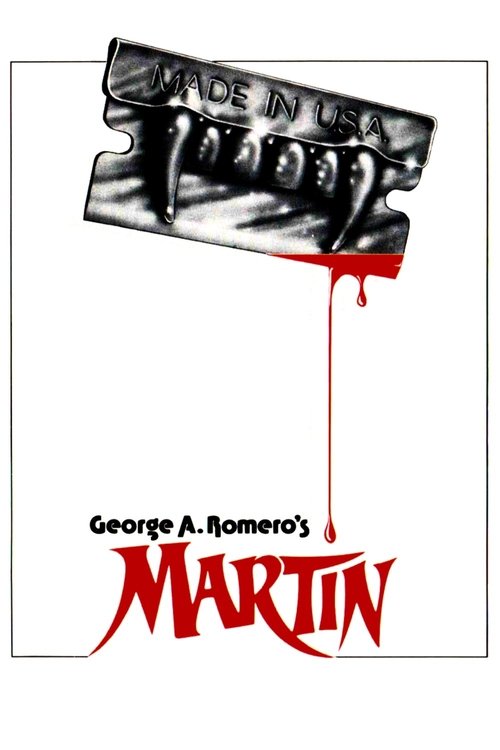
1978
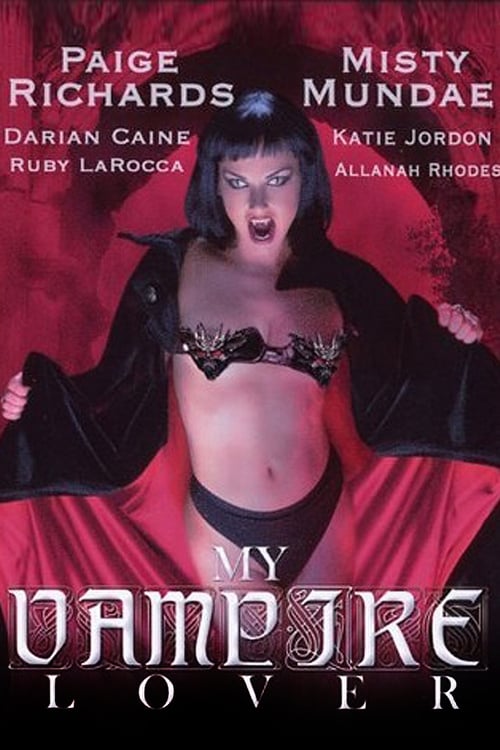
2002
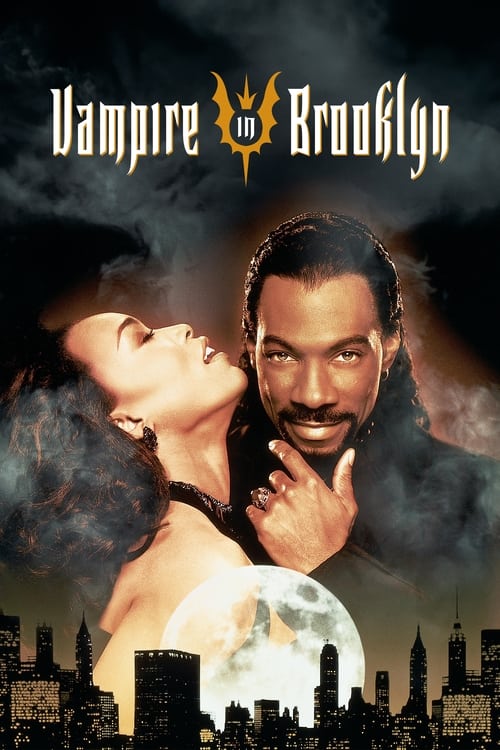
1995
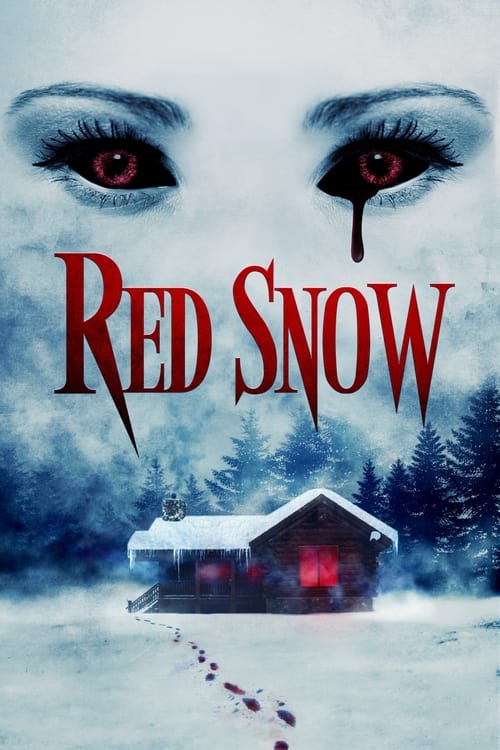
2021
2023
No reviews yet. Be the first to share your thoughts on this movie!
Use the rating form above to leave a star rating and optional review.