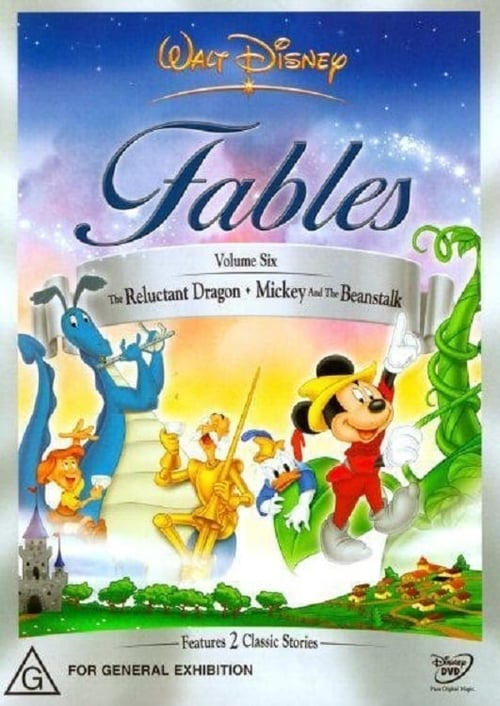
Walt Disney's Fables - Vol.6
2004
No user ratings available yet
Representation score: 2.0 out of 10
Representation Score
Limited
2004
Average Rating
No ratings yetNew Showbiz Analysis
This collection of classic animated shorts reflects the storytelling traditions of the mid-20th century. The narratives are centered around established moral binaries and conventional social structures, favoring traditional archetypes over modern complexity. The stories highlight universal virtues like courage and honesty through animal metaphors. While these fables offer charming entertainment, they do not challenge norms or explore multi-layered depth found in contemporary animation. Overall, the anthology upholds traditional values and uses physical variations primarily for comedic effect or as plot devices.
Category Breakdown
The stories use animal characters but do not include any LGBTQ+ identities or same-sex relationships.
The characters tend to follow traditional gender roles, with males often portrayed as protectors and females as those needing protection.
The stories use animals to convey universal morals. There is no indication of characters from different racial backgrounds or intentional blending of cultures.
The narratives are based on Western folklore and traditional values, emphasizing social harmony and the importance of family over moral relativism.
Three Blind Mousketeers includes characters with sensory disabilities, but these impairments are used mainly for humor or as plot devices rather than exploring their experiences.
Present on Screen
Limited or Absent
Official Synopsis
Six more animated stories from the Disney studios. 'Three Blind Mousketeers' follows the misadventures of the outrageous trio. In 'Three Little Pigs', the Big Bad Wolf is doing his best to cunningly snare the guileless little pigs, while in 'Three Little Wolves' he goes one step further and decides to disguise and train his own offspring to lure them into his fold. 'Funny Little Bunnies' explores the mystery of the Easter Bunny. 'Lambert the Sheepish Lion' is a lovable, shy lion who plucks up the courage to protect his adopted family of ewes and rams. 'Ferdinand the Bull' gets in a scrape at a Madrid bullring when he gets stung by a bee and the crowd mistake him for a fighting bull.
2004

2017
2003

1977
1952
2012

2003

2016
No reviews yet. Be the first to share your thoughts on this movie!
Use the rating form above to leave a star rating and optional review.