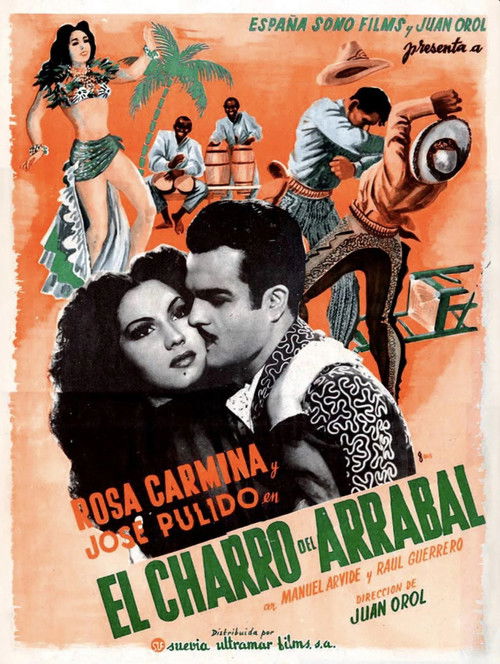
El charro del arrabal
1949
No user ratings available yet
Representation score: 2.4 out of 10
Representation Score
Limited
1947
Director
Juan Orol
Runtime
79 minutes
Average Rating
No ratings yetNew Showbiz Analysis
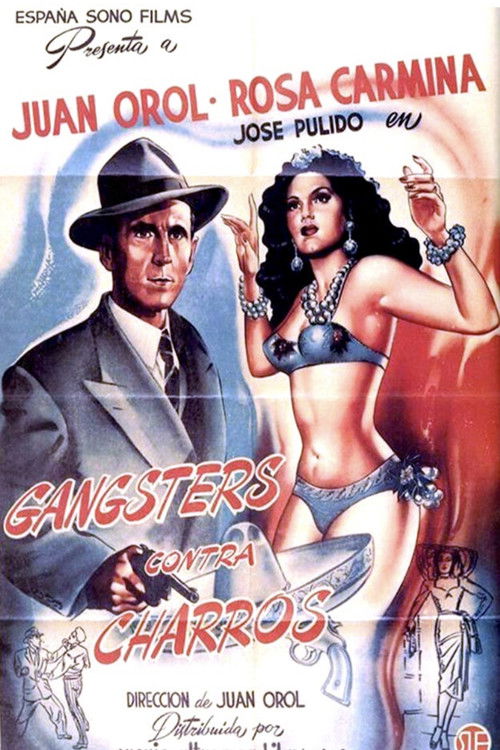
Juan Orol’s 1947 melodrama is a product of its time, focusing on archetypal conflicts rather than diverse representation. The film centers on the tension between urban modernity and traditional rural identity, using the gangster and the charro to represent these opposing social strata. While the film explores Mexican national identity through its archetypes, it reinforces mid-20th-century social hierarchies. The narrative structure relies on conventional romantic clichés and male-driven power struggles, offering little disruption to established social roles.
Category Breakdown
The film features a traditional love triangle involving two men and a woman. There are no characters with non-traditional gender identities or critiques of the assumption that everyone is straight.
Rosa, a rumba dancer, serves as the central figure between the male leads. Her role seems limited to being a romantic catalyst or a femme fatale.
The story examines the contrast between urban and rural Mexican identities through the Charro character. However, the casting may reflect a homogeneous national identity.
The narrative engages with traditional themes of honor and localized justice. It relies on classic melodrama rather than challenging established cultural institutions.
There are no characters with visible or invisible disabilities mentioned in the narrative.
Present on Screen
Limited or Absent
Official Synopsis
Gangster Johnny Carmenta must confront the "Charro of the Slums" Pancho Domínguez, who has control over the city, but their rivalry gets worse when rumba dancer Rosa befriends both men.
1949

1949
1946
1937
1964
1949
1948

1954
No reviews yet. Be the first to share your thoughts on this movie!
Use the rating form above to leave a star rating and optional review.