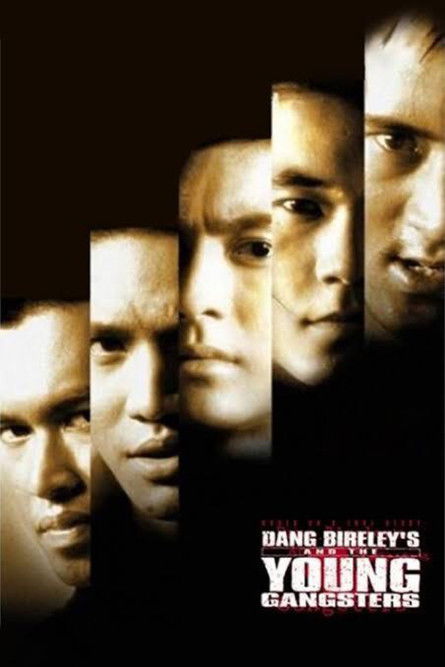
Dang Bireley's and Young Gangsters
1997
No user ratings available yet
Representation score: 4.9 out of 10
Representation Score
Minimal
2011
TV-14Director
Gary dela Cruz , Tikoy Aguiluz
Runtime
116 minutes
Average Rating
No ratings yetNew Showbiz Analysis
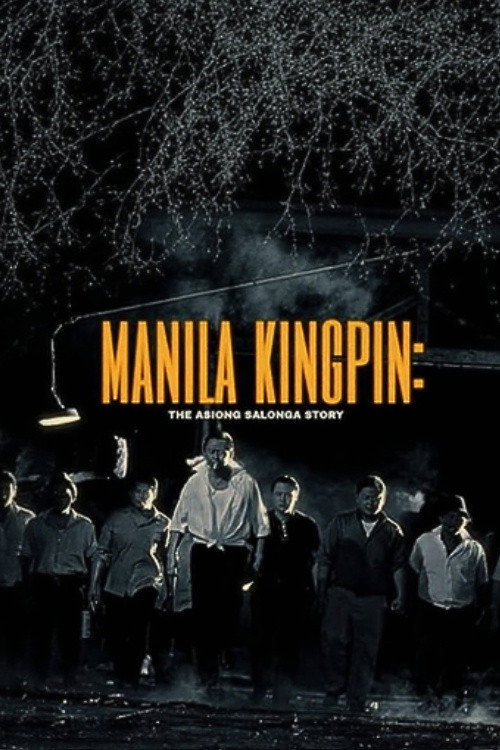
The film opens with the gritty, black-and-white texture of Manila’s underworld, establishing a world where violence is the primary currency. Asiong Salonga, played by Jorge Estregan, is presented not as a villain but as a local king, his authority derived from control over territory and fear. The camera lingers on his face, treating his brutality as a form of leadership rather than mere crime. Fidela, his wife, provides the moral counterweight, her anxiety serving to humanize the chaos around her. The film’s argument is that in a corrupt system, power is the only stable value. Asiong’s rise is depicted as a natural outcome of his toughness, while the police are shown as ineffective obstacles. The ending reinforces this hierarchy, with Asiong’s survival and dominance treated as the ultimate victory. The film does not challenge the traditional gender roles or the glorification of violence; instead, it presents them as the natural order of the street. The last image leaves the viewer with the sense that Asiong’s world, though brutal, is self-contained and unchallenged.
Category Breakdown
The narrative tracks only heterosexual bonds between Asiong and Fidela. No queer characters, relationships, or dialogue appear in the cast or script.
Fidela anchors the domestic sphere, worrying about Asiong’s violence while he asserts territorial dominance. The film frames male aggression as natural power, positioning women as concerned dependents rather than active agents.
The cast is entirely Filipino, reflecting the local setting of Tondo, Manila. There is no depiction of ethnic minorities, indigenous groups, or international perspectives, keeping the scope strictly within the national context.
The film portrays the traditional hierarchy of the street gang, where loyalty and violence define status. Family ties are shown as sources of conflict, with Asiong’s brother representing the state’s failed attempt to impose order on criminal life.
No characters are depicted with physical, sensory, or cognitive disabilities. The narrative relies on physical fitness and combat ability as markers of competence, with no impaired bodies present.
Present on Screen
Limited or Absent
Official Synopsis
Mobster Asiong Salonga (ER Ejercito) rules the mean streets of Manila with an iron fist—until he is betrayed by a trusted friend. Manila Kingpin is based on the story of the notorious Tondo, Manila, gang leader Nicasio “Asiong” Salonga, whose true-to-life accounts had been portrayed in several movie versions since 1961 (starring Joseph Estrada). It is also the first Filipino major film produced in black-and-white in the 21st century as well as the returning action genre movie. Before the film was shown, Tikoy Aguiluz requested the producers, through his lawyers, that his directorial credits in the film and promotional tools be removed because the final version of the film can no longer be described as his after the producers made a reedit, re-shoot and music mixing without his involvement. He also demanded that he be allowed to make a director's cut of the film.
1997
2015
1986
2013
1990
1974
2018
1973
No reviews yet. Be the first to share your thoughts on this movie!
Use the rating form above to leave a star rating and optional review.