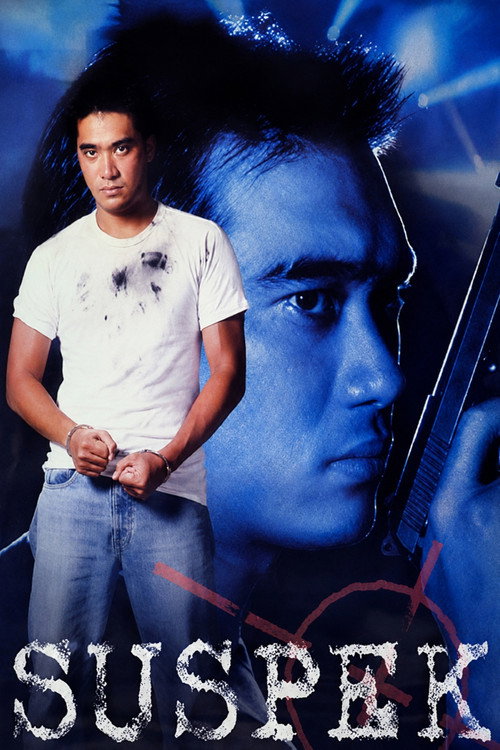
Suspek
1999
No user ratings available yet
Representation score: 1.8 out of 10
Representation Score
Limited
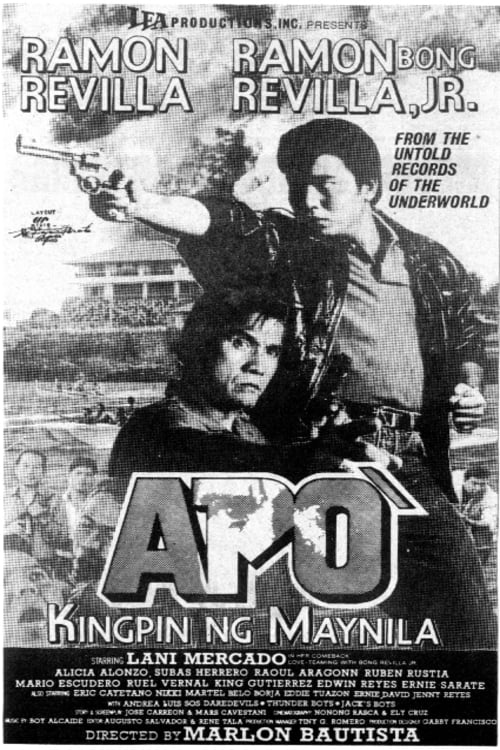
1990
RDirector
Marlon Bautista
Runtime
113 minutes
Average Rating
No ratings yetNew Showbiz Analysis
APO: Kingpin ng Maynila serves as a localized cultural study, focusing on the historical figure Asiong Salonga. Its main strength lies in its ethnic specificity and its focus on the Filipino experience within the Tondo district. However, the film adheres to the traditional constraints of 1990s action cinema, emphasizing male clichés and lacking representation for multi-layered identities such as LGBTQ+ individuals or those with disabilities. Ultimately, while the film provides a vital local perspective, it does not challenge broader social hierarchies or gender norms.
Category Breakdown
The film does not include any LGBTQ+ characters or stories. It follows traditional action-drama conventions without addressing the assumption that everyone is straight or cisgender.
The story centers around a male gang leader, emphasizing traditional masculine leadership and power structures. Female characters are likely limited to supporting roles.
The film highlights a Filipino narrative, offering a diverse representation centered on the socio-cultural landscape of Manila. It shifts the focus away from Western-centric storytelling.
The story delves into the struggles faced by underrepresented communities in Tondo, reflecting the local socio-economic realities through the lens of a local kingpin.
There is no information about characters with physical or neurodivergent disabilities.
Present on Screen
Limited or Absent
Official Synopsis
The story of the notorious Tondo gang leader Asiong Salonga.
1999
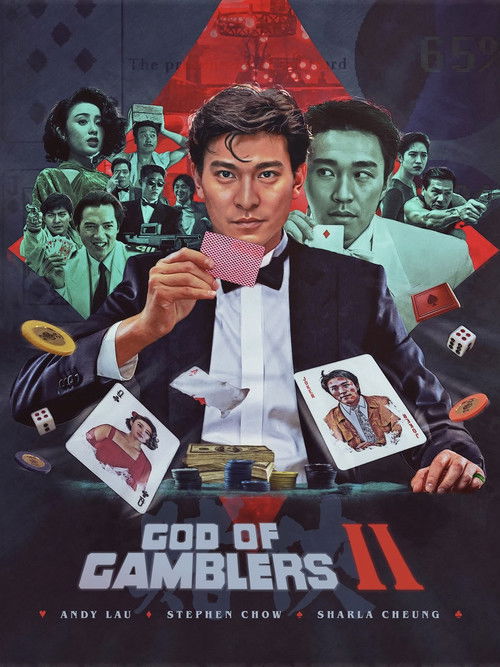
1990

1985
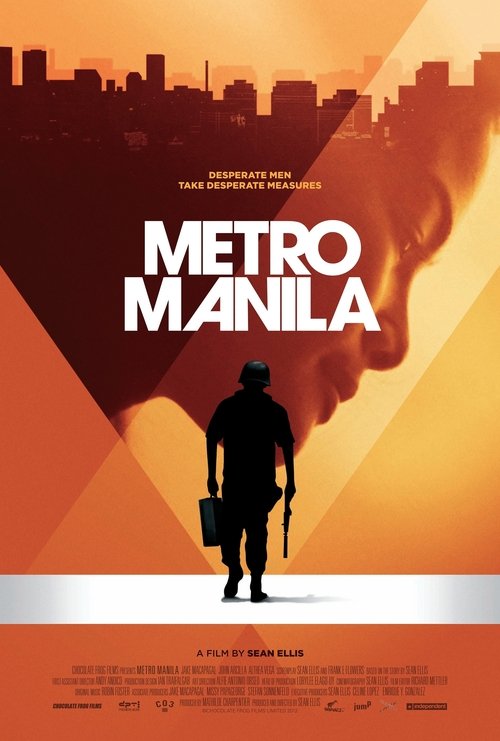
2013

1997

1989
1992
1985
No reviews yet. Be the first to share your thoughts on this movie!
Use the rating form above to leave a star rating and optional review.