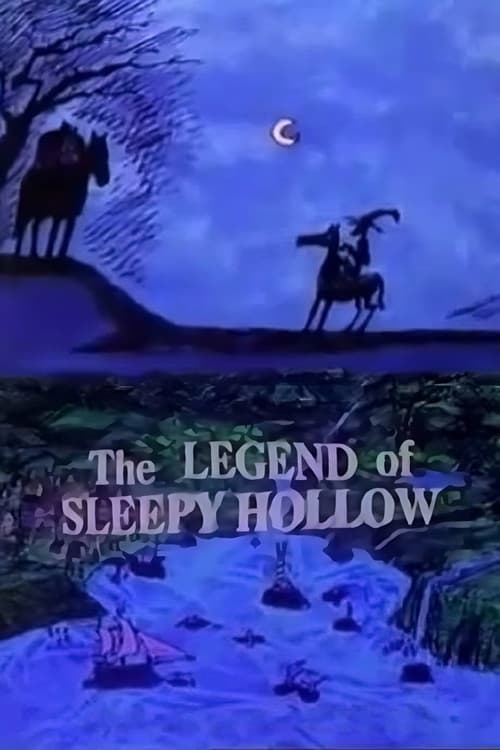
The Legend of Sleepy Hollow
1972
No user ratings available yet
Representation score: 2.5 out of 10
Representation Score
Minimal
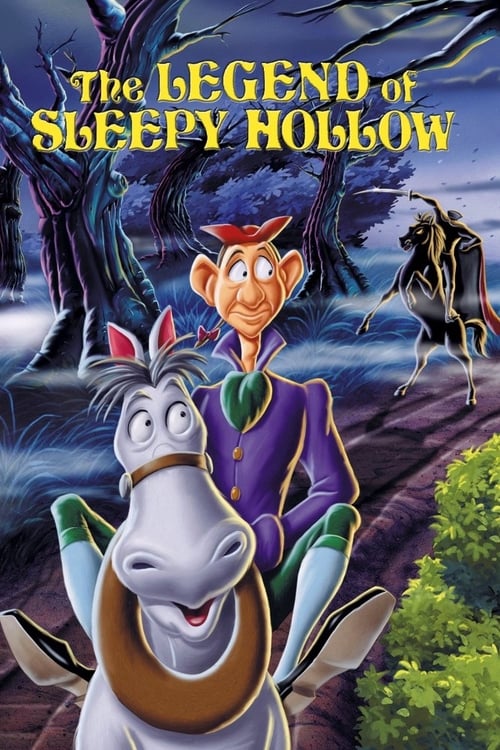
1949
ApprovedDirector
Clyde Geronimi, Jack Kinney
Runtime
37 minutes
Average Rating
No ratings yetNew Showbiz Analysis
This 1949 Disney animation is a quintessential example of mid-century traditional storytelling. It prioritizes the preservation of classic literary structures and established folklore over diverse representation. The narrative heavily relies on conventional social hierarchies. From the racially homogeneous colonial setting to the rigid gender roles, the film upholds the demographic norms of its era. Ultimately, the film serves as a slapstick adaptation of Washington Irving's tale. It lacks any significant disruption of traditional norms or subversion of historical archetypes.
Category Breakdown
The film follows a strictly straight-focused storyline. The plot revolves around a romantic rivalry between two men competing for a woman's affection.
Gender roles remain traditional throughout the story. Katrina Van Tassel is portrayed as a prize in a competition among male characters.
The setting portrays a homogeneous group of white settlers. There are no non-Anglo-Saxon characters or instances of color-blind casting.
This adaptation highlights local folklore and superstitions. It celebrates a historical American setting without critiquing cultural or systemic issues.
There is no meaningful representation of neurodivergence or physical disabilities. Ichabod Crane’s clumsiness and superstition are used primarily for comedic purposes.
Present on Screen
Limited or Absent
Official Synopsis
Washington Irving's tale of Ichabod Crane and the headless horseman is brought to life, narrated by Bing Crosby.
1972
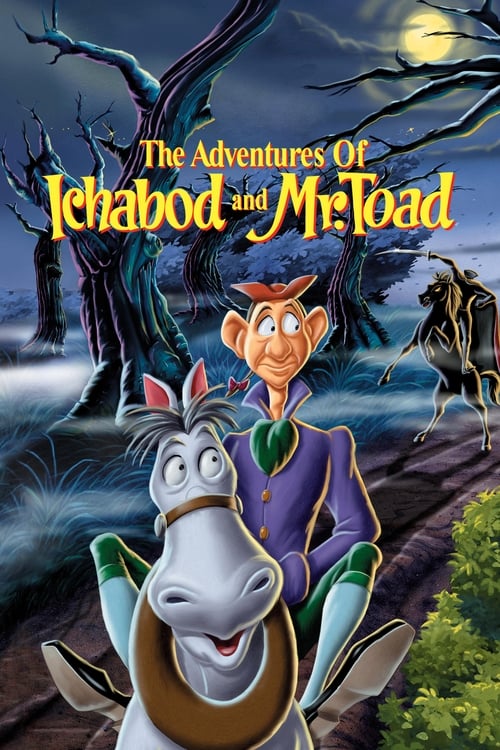
1949
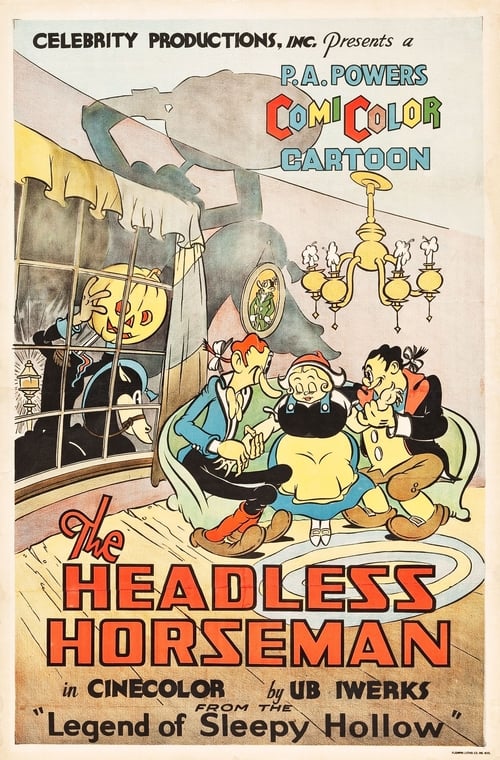
1934

1980
2002
1929
1999
No reviews yet. Be the first to share your thoughts on this movie!
Use the rating form above to leave a star rating and optional review.