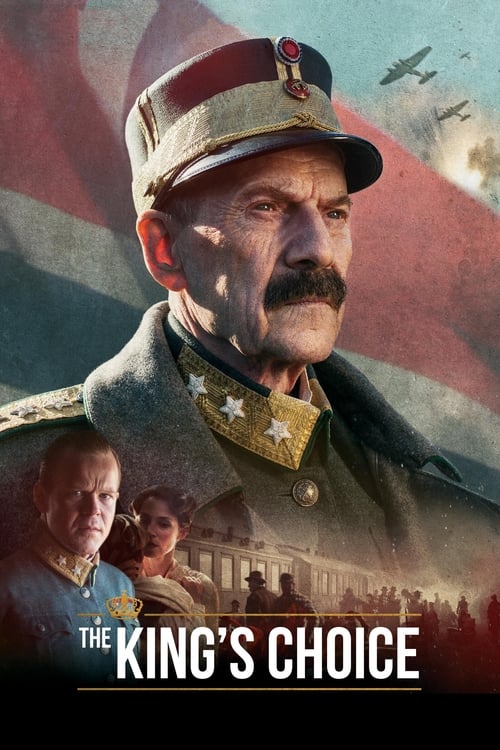
The King's Choice
2016
No user ratings available yet
Representation score: 0.4 out of 10

Representation Score
Minimal
2013
RDirector
Fyodor Bondarchuk
Runtime
131 minutes
Average Rating
No ratings yetNew Showbiz Analysis
Stalingrad is a traditionalist epic that prioritizes nationalistic cohesion and classical heroism. The film adheres to a classical storytelling structure emphasizing historical preservation and patriotic sentiment over the deconstruction of social hierarchies. The narrative reinforces established social and military hierarchies. It functions as a high-budget exploration of collective survival, offering little disruption of conventional cultural or gendered norms. While the film captures the visceral reality of war, it lacks progressive intentionality in its casting and character roles, focusing instead on a unified, homogeneous national identity.
Category Breakdown
The film does not include any visible LGBTQ+ characters or narratives. The focus is on traditional interpersonal bonds within a wartime setting.
Male combatants like pilots and tank commanders play significant roles. The central female character represents civilian vulnerability rather than participating in military power structures.
The casting reflects the historical demographics of the Soviet military, resulting in a largely homogeneous ethnic composition. It emphasizes a unified national identity rather than diverse blending.
The narrative emphasizes patriotism and military hierarchy as a response to aggression. It presents a binary distinction between defenders and invaders, reinforcing institutional loyalty.
There is no significant focus on neurodivergence or physical disabilities. Physical trauma is used as a plot device to illustrate combat horrors rather than providing character's ability to drive the story.
Present on Screen
Limited or Absent
Official Synopsis
A band of determined Russian soldiers fight to hold a strategic building in their devastated city against a ruthless German army, and in the process become deeply connected to a Russian woman who has been living there.
2016
2014
2016
2015
1963

2014
2017

2020
No reviews yet. Be the first to share your thoughts on this movie!
Use the rating form above to leave a star rating and optional review.