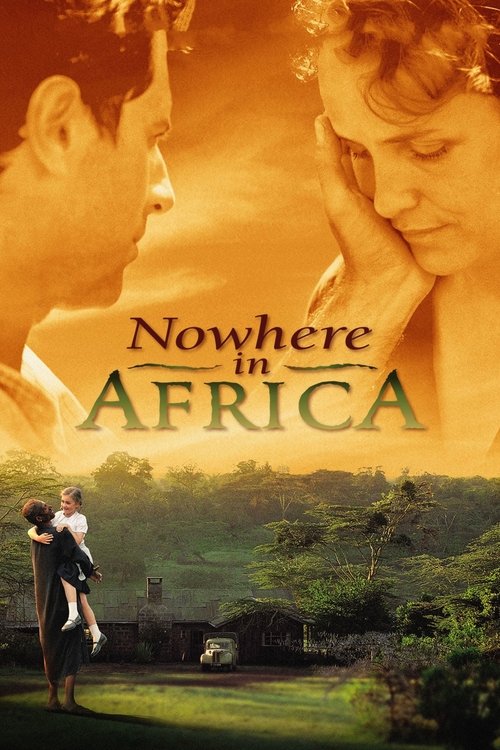
Nowhere in Africa
2001
No user ratings available yet
Representation score: 4.3 out of 10

Representation Score
Good
2009
Director
Tony Gatlif
Runtime
111 minutes
Average Rating
No ratings yetNew Showbiz Analysis
Tony Gatlif’s direction provides a profound exploration of nomadic identity, successfully moving beyond conventional historical dramas. By centering the Romani experience, the film makes underrepresented culture the heart of the narrative. The film's strength lies in its ability to use the nomadic lifestyle as a metaphor for resistance against institutionalized homogeneity. It effectively challenges the state's desire to categorize and control through the lens of a community fighting for its way of life. However, the narrative's narrow focus on ethnic and nomadic ability to act means that other dimensions of identity, such as LGBTQ+ representation, are not explored. The film prioritizes cultural preservation over broader social identity politics.
Category Breakdown
The film does not explicitly depict LGBTQ+ identities or non-straight relationships. The narrative focuses on ethnic ability to act and communal survival.
Women like Miss Lundi play key roles in protecting and supporting others against state authority. Women are shown as active participants rather than passive observers, despite existing hierarchies.
The film excels by making Romani identity central to the plot. It emphasizes the ethnic experience through cultural traditions, music, and kinship.
The story offers a sophisticated critique of Western institutions. It portrays the refusal to settle as a powerful act of cultural preservation and communal autonomy.
There are no specific depictions of visible or invisible disabilities that serve as central narrative arcs in this story.
Present on Screen
Limited or Absent
Official Synopsis
A Gypsy family travels the French roads during the Second World War, followed by Little Claude, a young boy seeking a new family after his parents "left and never returned". Upon reaching a town where they traditionally stop for a few months and work in vineyards, they learn that a new law forbids them from being nomadic. Theodore, the town's mayor, and Miss Lundi, the schoolteacher, protect and help the Gypsies. Despite this, They are arrested and placed in an internment camp. Theodore manages to rescue them and gives them a piece of property where they must settle. But the Gypsies' deeply ingrained thirst for freedom makes this sedentary lifestyle difficult to bear. After Theodore and Miss Lundi are arrested for resistance, the Gypsies decide they must get back on the move in order to remain free.
2001

2014

1995
2003
2000
2002

2014
2010
No reviews yet. Be the first to share your thoughts on this movie!
Use the rating form above to leave a star rating and optional review.