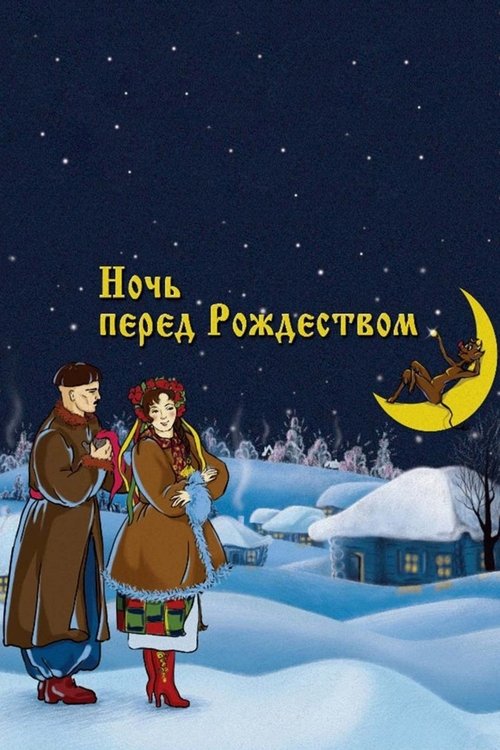
The Night Before Christmas
1951
No user ratings available yet
Representation score: 2.6 out of 10

Representation Score
Limited
1945
Director
Valentina Brumberg, Zinaida Brumberg
Runtime
43 minutes
Average Rating
No ratings yetNew Showbiz Analysis
The Lost Letter is a culturally specific animation that prioritizes regional literary heritage over modern markers of diversity. It succeeds in providing a critique of imperial structures through its adaptation of Slavic folklore. While the film lacks representation for LGBTQ+ identities and disability, it offers a distinct cultural perspective by challenging familiar patterns. The focus remains on moral consequences and the instability of monarchical power. Ultimately, the film serves as a preservation of classical literary canons rather than a vehicle for contemporary identity politics.
Category Breakdown
The film does not include any LGBTQ+ characters or stories that challenge the assumption that everyone is straight or cisgender. It follows a traditional folkloric structure centered on a messenger and supernatural entities.
The story focuses on a male protagonist who navigates a supernatural journey. Female characters are limited to the Tsarina, a figure of absolute authority within traditional archetypes.
The film is rooted in a specific Slavic cultural and folkloric tradition. It does not feature a diverse cast that breaks the era's cultural uniformity.
The adaptation of Gogol's work critiques Tsarist institutions through a Soviet lens. The depiction of the Tsarina and demons serves as a metaphor for systemic chaos.
There are no identifiable depictions of physical or neurodivergent disabilities. Characters function within the standard parameters of folkloric archetypes.
Present on Screen
Limited or Absent
Official Synopsis
The first Soviet cel-animated feature film, based on the story with the same name by Nikolai Gogol. A messenger is tasked with delivering a letter to the Tsarina, which he tucks into his hat for safekeeping on the road. While resting at night, a band of demons steals the hat, and he must travel to Hell to retrieve it.
1951

1957
1970
1949
1958
1984

1955
1941
No reviews yet. Be the first to share your thoughts on this movie!
Use the rating form above to leave a star rating and optional review.