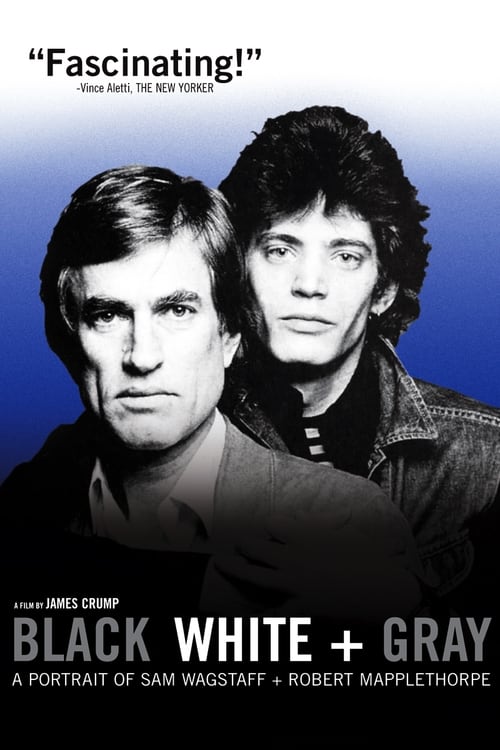
Black White + Gray: A Portrait of Sam Wagstaff and Robert Mapplethorpe
2007
No user ratings available yet
Diversity score: 5.1 out of 10

2018
Director
James Crump
Runtime
95 minutes
Average Rating
No ratings yetSynopsis
Sex Fashion and Disco is a documentary film concerning Antonio Lopez (1943-1987), the most influential fashion illustrator of 1970s Paris and New York, and his colorful and sometimes outrageous milieu.
Overall Score
Good
Category Breakdown
LGBTQ+ Representation
The film centers queer agency by placing gay subculture at the heart of the 1970s creative economy. It depicts same-sex intimacy and lived experiences as foundational elements of the era's social fabric rather than mere spectacle.
Gender Representation
Gender is portrayed as a performative and malleable concept within the disco and fashion scenes. The documentary highlights fluid expressions of masculinity and femininity that subvert traditional social expectations.
Racial & Ethnic Diversity
The narrative disrupts white-centric fashion history by positioning Black and Latino models and creatives as central architects. It presents a multicultural ecosystem rather than a homogeneous social circle.
Religious & Cultural Diversity
The film prioritizes the subjective experiences of marginalized subcultures over institutional histories. It frames the disco era as a space of liberation and identity-based empowerment.
Disability Representation
There is no significant or intentional focus on visible or invisible disabilities. The film does not utilize disability as a narrative device or provide specific representation in this area.
Strengths
Areas for Improvement
AI Analysis
James Crump’s documentary is a sophisticated archival exploration that centers queer identity and racial plurality as the primary drivers of 1970s aesthetic evolution. By focusing on Antonio Lopez, the film moves beyond simple biography to provide a deep reading of intersectional subcultures. The work successfully challenges the conventional Western historical canon. It replaces traditional hierarchies with a multi-vocal narrative of empowerment, framing the era through creative rebellion and aesthetic liberation. While the film excels in depicting gender fluidity and multiculturalism, it lacks specific representation regarding disability, which remains a neutral element in the narrative.
2007
2018
2019
2018
2006

2008
2002
2018
2017
2002

2010
2000
No reviews yet. Be the first to share your thoughts on this movie!
Use the rating form above to leave a star rating and optional review.