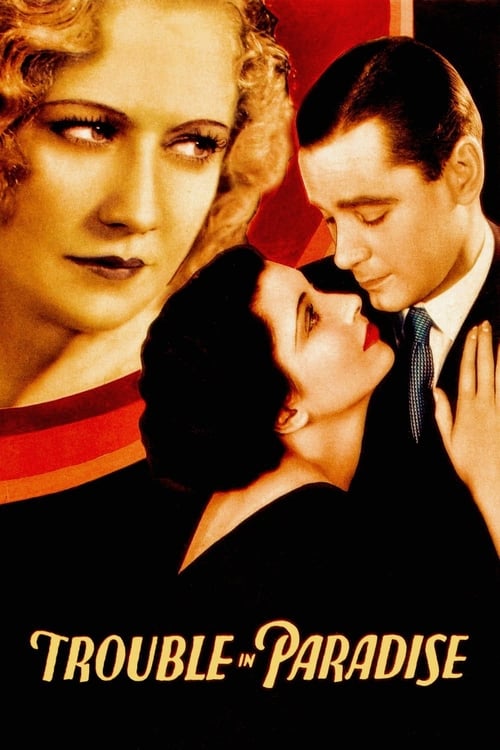
Trouble in Paradise
1932
No user ratings available yet
Representation score: 3.8 out of 10
Representation Score
Good
2001
PG-13Director
Woody Allen
Runtime
103 minutes
Average Rating
No ratings yetNew Showbiz Analysis
The film emphasizes stylistic homage and psychological complexity over broad demographic representation. It successfully challenges traditional masculine archetypes and gendered expectations. However, the narrative remains rooted in the homogeneous social context of its 1930s setting, resulting in limited racial, ethnic, and LGBTQ+ representation within the main storyline. Overall, the film delves into individual psychological issues and situational ethics rather than inclusive social identities.
Category Breakdown
The film focuses on traditional romantic relationships and noir elements, without featuring explicit LGBTQ+ storylines or diverse gender identities.
Betty Ann Fitzgerald takes charge by restructuring a male-dominated office, while CW Briggs challenges tough-guy stereotypes through his comedic incompetence and vulnerability.
Set in a stylized 1930s New York, the cast mainly features Anglo-Saxon characters, lacking diverse racial and ethnic representation.
The story presents professional institutions and authority figures as absurd and dysfunctional, focusing on moral ambiguity and secularism.
Psychological conditions like hypnosis are used as plot devices in the comedy, and characters with mental vulnerabilities are used to drive the central mystery without much depth.
Present on Screen
Limited or Absent
Official Synopsis
CW Briggs is a veteran insurance investigator, with many successes. Betty Ann Fitzgerald is a new employee in the company he works for, with the task of reorganizing the office. They don't like each other - or at least that's what they think. During a night out with the rest of the office employees, they go to watch Voltan, a magician who secretly hypnotizes both of them.
1932
1966

2015
1955

2003
1940

1985
1993
No reviews yet. Be the first to share your thoughts on this movie!
Use the rating form above to leave a star rating and optional review.