
A Summer in St. Tropez
1983
No user ratings available yet
Diversity score: 3.2 out of 10
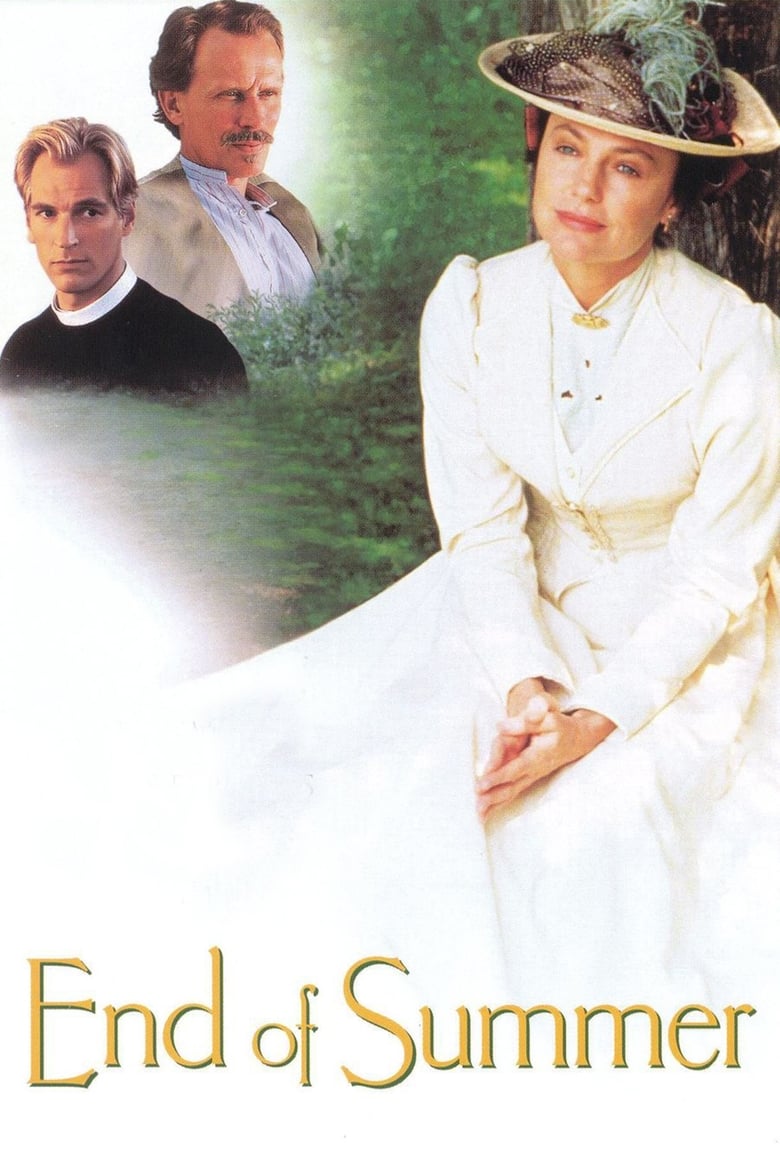
1997
RDirector
Linda Yellen
Runtime
95 minutes
Average Rating
No ratings yetSynopsis
An unmarried aristocrat resists the advances of the adventurous man whom she actually desires, causing him to turn his attentions to her new ward and a young maid.
Overall Score
Fair
Category Breakdown
LGBTQ+ Representation
The narrative focuses on heteronormative romantic tensions and interpersonal attraction. There is no explicit evidence of non-cisnormative identities or critiques of heteronormativity.
Gender Representation
The story centers on female agency and the complexities of female desire. By focusing on the protagonist's internal psychological landscape, the film grants women narrative control over their own choices.
Racial & Ethnic Diversity
The framework prioritizes class distinctions between aristocrats and domestic staff. The film appears to align with the more homogeneous casting patterns typical of its era and genre.
Religious & Cultural Diversity
Themes explore the friction between established social structures and individual impulse. The focus remains on individual romantic morality rather than a systemic deconstruction of institutions.
Disability Representation
There is no discernible evidence regarding the portrayal of physical or neurodivergent disabilities within the provided context.
Strengths
Areas for Improvement
AI Analysis
End of Summer functions as a traditional character drama centered on interpersonal dynamics and social hierarchies. While it avoids systemic narrative disruption, it provides a nuanced look at the complexities of desire. The film succeeds in elevating female agency, moving away from male-driven plots to explore the internal emotional stakes of its female characters. However, it remains tethered to the romantic tropes of the late 1990s. Diversity is limited by a lack of intersectional complexity. The narrative prioritizes class-based friction over racial or ethnic intersectionality, resulting in a story that feels culturally homogeneous.
1983

1961

1992

1998

2001

1997

1996

1999

1999

1981

1992

1995
No reviews yet. Be the first to share your thoughts on this movie!
Use the rating form above to leave a star rating and optional review.