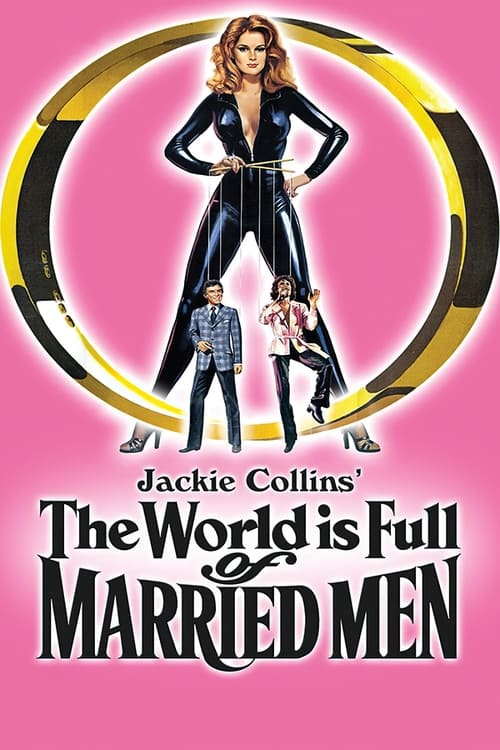
The World Is Full of Married Men
1979
No user ratings available yet
Diversity score: 3.4 out of 10

1999
RDirector
Edward Holzman
Runtime
96 minutes
Average Rating
No ratings yetSynopsis
An advertising agent comes up against a client she is unable to manipulate through her seduction games.
Overall Score
Limited
Category Breakdown
LGBTQ+ Representation
The film lacks explicit non-cisnormative identities or narratives that challenge heteronormativity. It relies on conventional romantic structures typical of the erotic drama genre.
Gender Representation
A female protagonist drives the plot through manipulation and seduction. While she exerts agency, the narrative often leans into traditional gendered archetypes regarding female power.
Racial & Ethnic Diversity
The film appears to follow standard late-90s casting patterns without intentional racial blending. There is no evidence of high-agency characters of color in the documentation.
Religious & Cultural Diversity
The story operates within a standard capitalist framework centered on the advertising industry. It offers little commentary on systemic oppression or cultural relativism.
Disability Representation
There is no evidence of characters with visible or invisible disabilities within the film's context.
Strengths
Areas for Improvement
AI Analysis
I Like to Play Games Too functions primarily as a conventional genre piece. It prioritizes interpersonal seduction and romantic tropes over any meaningful engagement with intersectional identity or social critique. The film lacks the narrative complexity needed to disrupt traditional social hierarchies. Instead, it adheres to established cinematic patterns of the late 1990s, focusing on individual conflict rather than broader cultural or systemic themes. Ultimately, the production lacks intentionality regarding progressive representation, resulting in a story that reinforces existing social norms rather than subverting them.
1979

1979

1977
2001

2006

2006
1997

2004

1999

2001

2005

1999
No reviews yet. Be the first to share your thoughts on this movie!
Use the rating form above to leave a star rating and optional review.