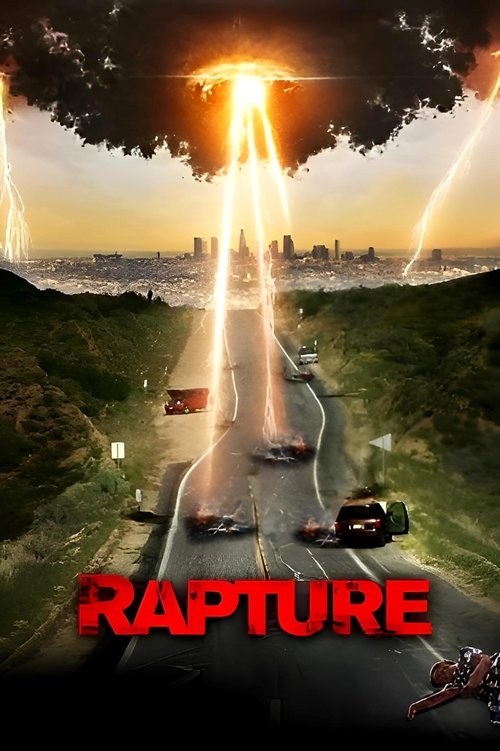
Rapture
2014
No user ratings available yet
Representation score: 2.6 out of 10

Representation Score
Fair
2011
Director
Luis Ortega
Runtime
88 minutes
Average Rating
No ratings yetNew Showbiz Analysis
Luis Ortega’s film succeeds as a culturally specific piece of cinema that challenges Western-centric storytelling by centering the Argentine experience. Its strength lies in its racial authenticity and its postmodern approach to social hierarchy. However, the film lacks overt focus on LGBTQ+ or disability representation. While the ensemble includes both genders, the narrative does not go far enough to dismantle established gender roles within the crime genre. Ultimately, the film offers a moderately progressive profile by rejecting idealized social structures in favor of a gritty, situational ethics model.
Category Breakdown
The film focuses on the mechanics of a criminal heist and underworld dynamics. There are no prominent LGBTQ+ characters or narratives that actively critique the assumption that everyone is straight or cisgender.
A mix of male and female characters populate the criminal collective. Women play important roles, but the film does not explicitly challenge traditional gender hierarchies or masculine leadership.
The film centers a predominantly Latin American cast and explores the social textures of Buenos Aires. This immersion in a non-Western urban reality provides meaningful ethnic depth.
The narrative explores moral relativism through the lens of survival and underworld loyalty. It avoids traditional morality by focusing on the chaotic nature of its protagonists.
There is no documented evidence regarding the inclusion of characters with visible or invisible disabilities within the narrative.
Present on Screen
Limited or Absent
Official Synopsis
Luis Ortega's apocalyptic third feature follows a group of five survivors as they embark on a journey that will force them to face their fears, dreams and longings in their quest for salvation across the Fijman River.
2014

2013
2025
2014
2014

2023
2007
2014
No reviews yet. Be the first to share your thoughts on this movie!
Use the rating form above to leave a star rating and optional review.