China's Artful Dissident
2019
No user ratings available yet
Representation score: 6.4 out of 10
Representation Score
Good
2024
TV-MADirector
Nanfu Wang
Runtime
92 minutes
Average Rating
No ratings yetNew Showbiz Analysis
Night Is Not Eternal succeeds as a sophisticated critique of power by weaving together diverse cultural identities. By juxtaposing the authoritarian realities of Cuba with the shifting democratic norms in the United States, the film creates a cohesive, globalized narrative. The documentary's strength lies in its multi-layered framework, which connects the Cuban diaspora with the Chinese-American experience. This approach challenges conventional geopolitical hierarchies and avoids a singular, Western-centric viewpoint. While the film excels in gender and racial representation, it remains neutral regarding LGBTQ+ and disability inclusion. The focus remains on political ability to act and systemic institutional decay.
Category Breakdown
The film centers on political activism and personal reflections but does not include explicit evidence of LGBTQ+ characters or queer-coded narratives.
The narrative is driven by women, with Rosa María Payá and Nanfu Wang taking central roles as primary architects of social change. This disrupts traditional patriarchal models.
The film offers an multi-layered perspective by connecting Cuban and Chinese-American experiences, avoiding a Western-centric focus and highlighting non-Anglo-centric national struggles.
The documentary critiques state institutions and democratic erosion, providing a globalized, post-colonial perspective that questions the stability of Western structures.
There is no specific evidence regarding the portrayal of physical or neurodivergent disabilities in this work.
Present on Screen
Limited or Absent
Official Synopsis
For seven years, award-winning Chinese-American filmmaker Nanfu Wang follows Rosa María Payá, daughter of the five time Nobel Peace Prize nominated activist, Oswaldo Payá, in Rosa's fight for democratic change in Cuba. Rosa's narrative is interwoven with Wang's poignant reflections on her Chinese upbringing and her observations of eroding democratic norms in the U.S., revealing unsettling similarities to the authoritarian system she left behind.
2019

2017
2016
2011

2020

2013
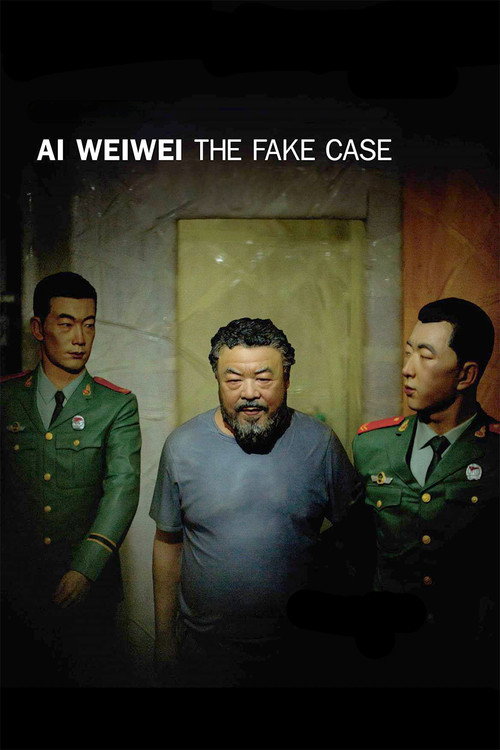
2013
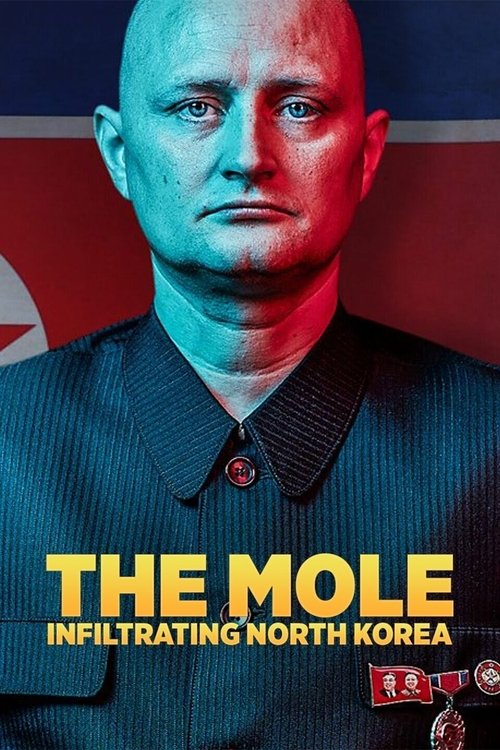
2020
No reviews yet. Be the first to share your thoughts on this movie!
Use the rating form above to leave a star rating and optional review.