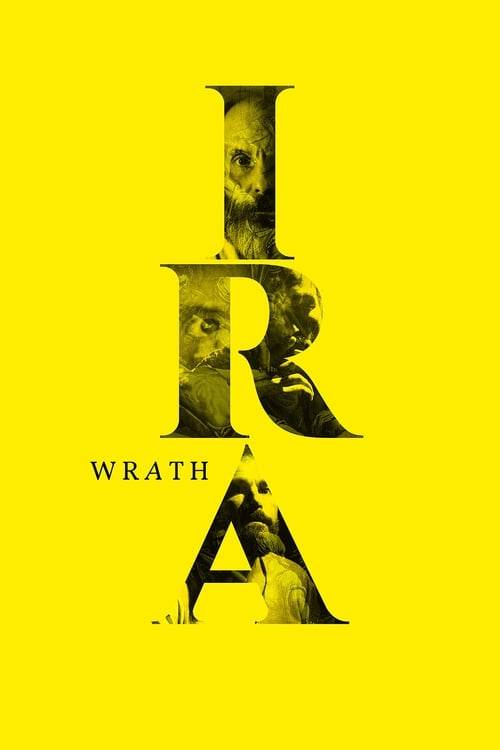
Wrath
2016
No user ratings available yet
Representation score: 2.8 out of 10

Representation Score
Good
2007
Director
Leonel Vieira
Runtime
98 minutes
Average Rating
No ratings yetNew Showbiz Analysis
Trial (2007) is a politically charged thriller that prioritizes a critique of state authority over broad demographic representation. It succeeds in using historical trauma to challenge the legitimacy of formal legal institutions. However, the film remains constrained by a traditional, male-centric approach to the thriller genre. The narrative structure relies heavily on male protagonists, leaving little room for diverse gendered or queer perspectives. Ultimately, the work functions as a study of systemic victimhood and moral ambiguity, though its social scope is limited by its focus on a specific group of male survivors.
Category Breakdown
The film does not include any explicit LGBTQ+ characters or explore non-straight relationships. The story centers around male bonds formed through shared experiences of political oppression.
The story focuses on men's control over the story and collective action. While the victim's daughter provides a female perspective, the central conflict is driven by a male-dominated pursuit of vengeance.
Set within a Brazilian political context, the film requires a cast reflecting the country's diverse ethnic makeup. The narrative critiques state-sponsored power dynamics.
The film offers a complex critique of institutional legitimacy. It challenges traditional narratives by depicting the state's secret police as tools of murder and systemic oppression.
The protagonists are survivors of torture, using physical or psychological scars as markers of political trauma. These elements serve as plot catalysts rather than explorations of neurodivergence or personal empowerment.
Present on Screen
Limited or Absent
Official Synopsis
In 1970, a man is tortured and murdered by the regime's secret police. Now nearly 40 years later, his friend, who had also been tortured, recognizes the man he deems responsible for the murder of his friend. Along with three old friends and the victim's daughter, they kidnap the man and take him to an isolated house. Once there, the concepts of justice and revenge begin to mix dangerously in a private trial with irreversible consequences.
2016

2019
2002

2001

2005
2008

2023
1996
No reviews yet. Be the first to share your thoughts on this movie!
Use the rating form above to leave a star rating and optional review.