Irreversible
2002
No user ratings available yet
Representation score: 4.7 out of 10
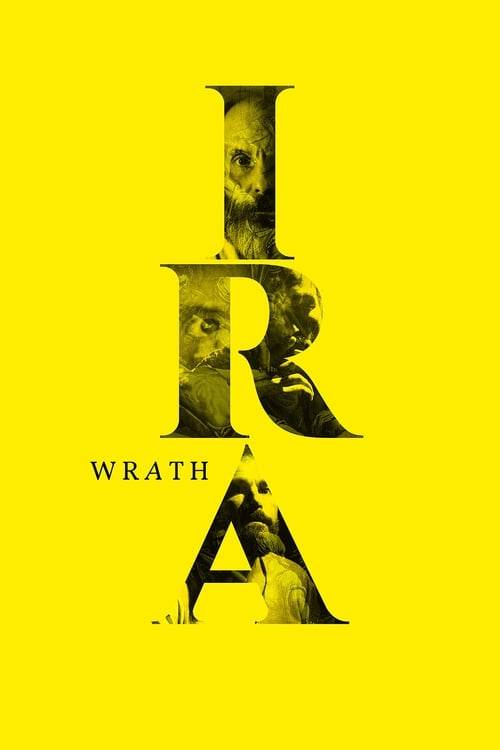
Representation Score
Limited
2016
Director
Jota Aronak
Runtime
93 minutes
Average Rating
No ratings yetNew Showbiz Analysis
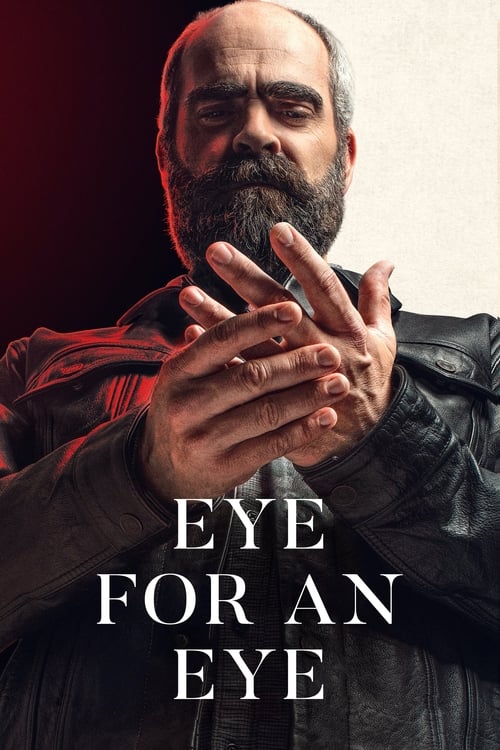
Wrath is a character-driven crime drama that prioritizes intellectual critique over demographic breadth. Its strength lies in its thematic deconstruction of the legal system and the pursuit of personal justice against systemic failure. However, the film lacks representation across several key identity spectrums. The focus on male-centric archetypes of grief and retribution results in a narrow demographic scope. Ultimately, the work functions as a study of moral relativism rather than a diverse social tapestry, finding its impact through systemic skepticism rather than inclusive casting.
Category Breakdown
The film does not include any visible LGBTQ+ characters or narratives related to queer identities. The story focuses solely on the conflict between the journalist and the grieving father.
The narrative centers on masculine-driven themes of vengeance and paternal loss. There are no female characters or subversions of traditional gender hierarchies.
The film does not provide specific details about the racial or ethnic composition of the cast. There is no visible evidence for diverse representation in the primary roles.
The film strongly critiques Western judicial institutions, presenting the legal system as an illusion and emphasizing personal morality over state-sanctioned justice.
There are no characters in the film dealing with physical, neurodivergent, or mental health disabilities.
Present on Screen
Limited or Absent
Official Synopsis
A journalist filming his 1st documentary when he meets CESAR MAYO, witness of the absolution of the murderer of his son. Cesar proposes that Iker film the preparation and execution of a revenge killing. Iker accepts with the goal of filming the preparation, but of stopping the crime before it actually takes place. Iker investigates the case of the murdered youth and the strange circumstances surrounding it. Meanwhile Cesar fine tunes his plan to manipulate the penal code to eliminate or at least minimize any punishment for the crime he is planning, so as to show how justice is an illusion. As he designs the plan to avenge himself on Fabian Arias, the alleged killer of his son, he uses the penal code and his plans for a legal defense to decide the form, timing and manner in which he will carry out his version of Justice.
2002
2019

2023
2008

2013

2016
2007
2014
No reviews yet. Be the first to share your thoughts on this movie!
Use the rating form above to leave a star rating and optional review.