
Rage
2009
No user ratings available yet
Representation score: 5.8 out of 10

Representation Score
Minimal
2011
Not RatedDirector
Walter Doehner
Runtime
89 minutes
Average Rating
No ratings yetNew Showbiz Analysis
Crímenes de lujuria is a traditional noir thriller centered on personal desire and moral transgression. The plot follows a conventional path of temptation, crime, and consequences. While the film explores themes of deception and the subversion of marital stability, it does not engage deeply with multi-layered identity politics. The narrative focuses on a man's pursuit of wealth and pleasure. Ultimately, the film aligns more with classical melodrama than contemporary progressive storytelling, using genre clichés to explore personal transgressions without challenging established social hierarchies.
Category Breakdown
The story focuses on a heterosexual relationship between a man and a married woman, with no representation of LGBTQ+ identities or non-cisgender perspectives.
Rebeca Solis initiates the main conflict to escape her marriage, showing ability to act. However, the film relies on traditional femme fatale clichés that can reinforce conventional gender roles.
The film seems to follow a typical dramatic structure without specific casting details. It focuses on individual class aspirations rather than a multi-ethnic cast.
The story delves into personal morality and the rejection of societal contracts like marriage. It is driven by individual greed and lust, without critiquing broader institutions.
The story does not include characters dealing with physical, sensory, or neurodivergent conditions.
Present on Screen
Limited or Absent
Official Synopsis
Arturo Bolaño is a mediocre insurance salesman who loves women, booze and any short cut he can find to Easy Street. He thinks he's found it with the beautiful Rebeca Solis, the wife of the owner of the hotel where he stays on business. Rebeca wants nothing more than to escape from her husband and after Arturo falls in love, she asks him to help her get rid of him. The plan goes without a hitch but just as they think they are going to get away with murder, they receive an anonymous letter from a witness to the crime.
2009

1970

2000

2008

2003

1994

1989
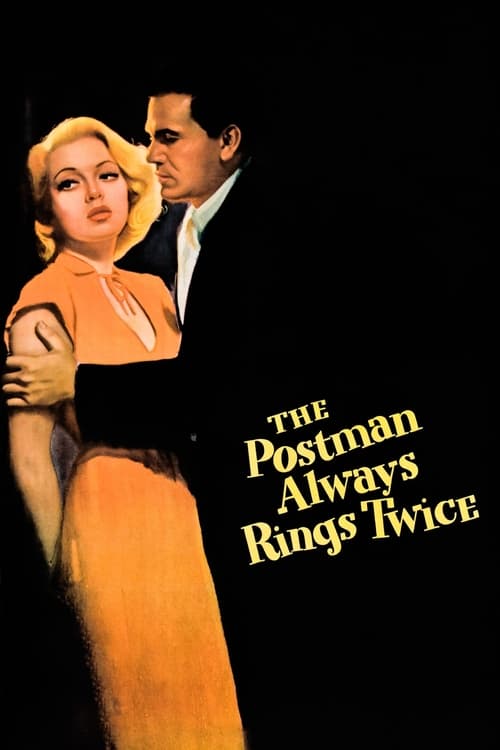
1946
No reviews yet. Be the first to share your thoughts on this movie!
Use the rating form above to leave a star rating and optional review.