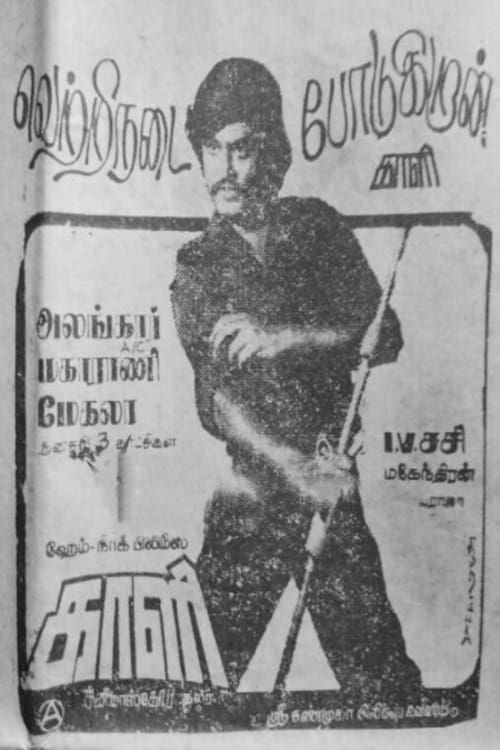
Kaali
1980
No user ratings available yet
Representation score: 3.7 out of 10

Representation Score
Minimal
1974
Director
Natuk Baytan
Runtime
80 minutes
Average Rating
No ratings yetNew Showbiz Analysis
Kin opens on the dusty, high-contrast textures of a rural Anatolian village, where poverty and rigid social codes are as visible as the worn clothing of its inhabitants. This is not a standard action opener but a sociological portrait of a community trapped in a zero-sum game of honor. The film’s argument is that traditional patriarchal structures are a prison: they demand blood, enforce silence, and leave the individual hollowed out. The camera lingers on the exhaustion in the faces of the men, treating their violence not as heroic triumph but as a tragic inevitability born of systemic failure. The sold meaning is a critique of the honor code itself. The community elders and the social structure never pay for the deaths they orchestrate; they remain intact, continuing to judge and enforce the very rules that destroy the young. The film’s internal logic pulls apart when it presents the male hero as both the victim of this system and its primary enforcer. He wins the fight but loses the peace, his victory pyrrhic and his isolation absolute. The ending does not offer a modern secular resolution or a triumphant hero’s pose. Instead, it settles on the aftermath: a moral bankruptcy where everyone loses, and the old hierarchy stands unchallenged. The last image is somber, affirming that in this world, tradition is not a choice but a cage, and the only way out is through the destruction of the self.
Category Breakdown
Absent. The narrative relies entirely on heterosexual marriage and patriarchal honor codes to drive conflict. No same-sex intimacy, queer identity, or non-binary presence appears on screen.
Limited. Women function as moral anchors or victims whose loss triggers male action; Fatma is the passive prize. Men hold all agency, violence, and decision-making power within the rigid village hierarchy.
Absent. The cast is exclusively Turkish, reflecting the specific rural Anatolian setting. No non-white characters, immigrant perspectives, or cross-ethnic dynamics are depicted.
Contested. The film depicts traditional honor codes and rural poverty as inescapable traps. It critiques the violence of the system but does not offer a modern secular alternative or invert the hierarchy.
Absent. No characters with physical, sensory, or cognitive disabilities are present. The body is treated solely as a site of physical combat and injury.
Present on Screen
Limited or Absent
Official Synopsis
Kenan's wife is murdered by five people, and his daughter is sent to a children's home. Kenan kills four of his wife's five murderers, but is sent to prison and sentenced to 20 years. Ten years later, he is released on parole and begins searching for his daughter.
1980
1996
1965
1987

1990

1989
2002

2010
No reviews yet. Be the first to share your thoughts on this movie!
Use the rating form above to leave a star rating and optional review.