
David
1979
No user ratings available yet
Representation score: 3.7 out of 10
Representation Score
Fair
1972
Director
Rachel Weinberg
Runtime
82 minutes
Average Rating
No ratings yetNew Showbiz Analysis
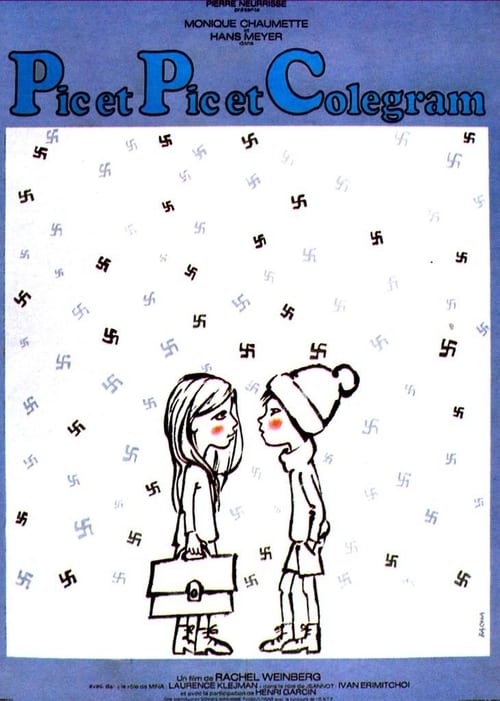
Eeeny, Meeny, Miney, Moe (1972) provides a nuanced perspective on survival through the experiences of a underrepresented child. By placing Mina, a Jewish girl, at the center of the story, the film transforms ethnic identity from a passive characteristic to a primary driver of plot tension. The film also challenges traditional gender roles. Mina’s influence redirects Jeannot’s behavior, steering him towards education and away from initial hostility, thus disrupting conventional male-dominated expectations. While the film does not include LGBTQ+ representation or disability narratives, it effectively critiques religious and nationalistic hierarchies, emphasizing the human struggle for resistance and survival.
Category Breakdown
The film does not include explicit representations of LGBTQ+ identities or relationships that go beyond the assumption that everyone is straight. The story focuses on the survival of a Jewish child and conflicts between local characters.
Mina, a young girl, plays a central role in driving the story forward. She challenges traditional gender roles by influencing Jeannot to seek education and integrate socially through her persistent efforts.
Mina, a Jewish child, is a key figure in the story's survival arc. Her ethnic identity is a major source of tension during a time of systematic persecution.
The film critiques religious dogma by highlighting the historical friction between Protestant and Catholic communities. It portrays these institutions as sources of social division rather than moral guidance.
There are no visible or invisible disabilities represented in the narrative.
Present on Screen
Limited or Absent
Official Synopsis
In the autumn of '43, Mina, a little girl of Jewish origin, is entrusted to farmers in the Cévennes. Shocked by Jeroboam's frustrated manners and Deborah's cruel reflections - who is still suffering two centuries later from the struggle between Protestants and Catholics - Mina thinks she'll find refuge with Jeannot. But the young boy doesn't like girls and mistreats Mina. Fortunately, she has a friend: the village pastor. Thanks to him, she can go to school. Despite their constant bickering, Mina takes a liking to Jeannot. She convinces him to come to school with her. Together, they go for walks or take advantage of the passage of maquisards to force open the cellar door where hams hang! The arrival of an "informer" at the little school and encounters with the Germans disturb Jeannot.
1979
1952
1993

2002

1986

2023
1995

2020
No reviews yet. Be the first to share your thoughts on this movie!
Use the rating form above to leave a star rating and optional review.