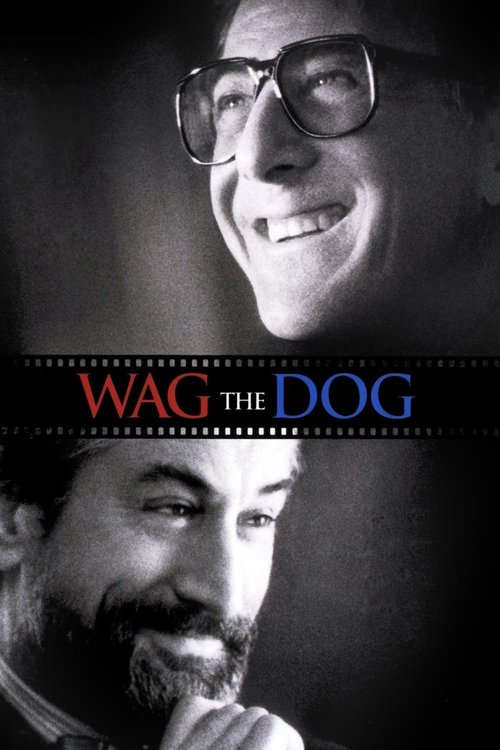
Wag the Dog
1997
No user ratings available yet
Representation score: 4.8 out of 10
Representation Score
Minimal
2005
RDirector
Jason Reitman
Runtime
92 minutes
Average Rating
No ratings yetNew Showbiz Analysis
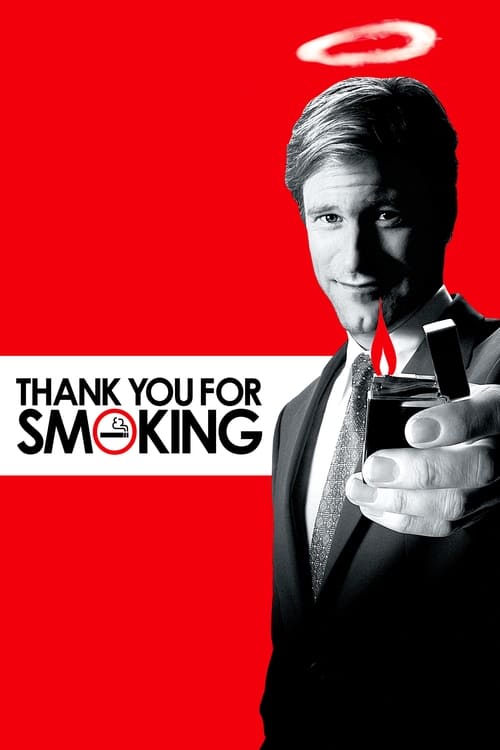
Thank You for Smoking presents a critical examination of Western morality and systemic power through a narrow lens focused on white, male-dominated corporate and familial structures. While the film offers a sharp critique of capitalist mechanics and the manipulation of public morality, it does so without addressing issues of diversity. The narrative heavily emphasizes traditional hierarchies, which limits the representation of various racial, gender, and LGBTQ+ identities. Despite its strengths in critiquing institutional integrity, the film falls short in providing a more inclusive perspective.
Category Breakdown
The film does not include any LGBTQ+ characters and focuses solely on traditional heterosexual relationships. There is no exploration of diverse gender identities or sexual orientations.
The story revolves around a patriarchal relationship between a father and his son, set in a male-dominated professional environment. Women are largely confined to supporting roles that do not challenge male dominance.
The cast and professional settings are predominantly white and Anglo-centric, lacking meaningful representation of different racial and cultural backgrounds.
The film effectively critiques Western institutions and the idea of objective truth. It provides a nuanced look at the complexities of capitalism and the manipulation of institutional integrity.
The film does not depict any visible or invisible disabilities among the main characters. Disability is not used as a narrative tool or for character development.
Present on Screen
Limited or Absent
Official Synopsis
Nick Naylor is a charismatic spin-doctor for Big Tobacco who'll fight to protect America's right to smoke -- even if it kills him -- while still remaining a role model for his 12-year old son. When he incurs the wrath of a senator bent on snuffing out cigarettes, Nick's powers of "filtering the truth" will be put to the test.
1997

1976

1992
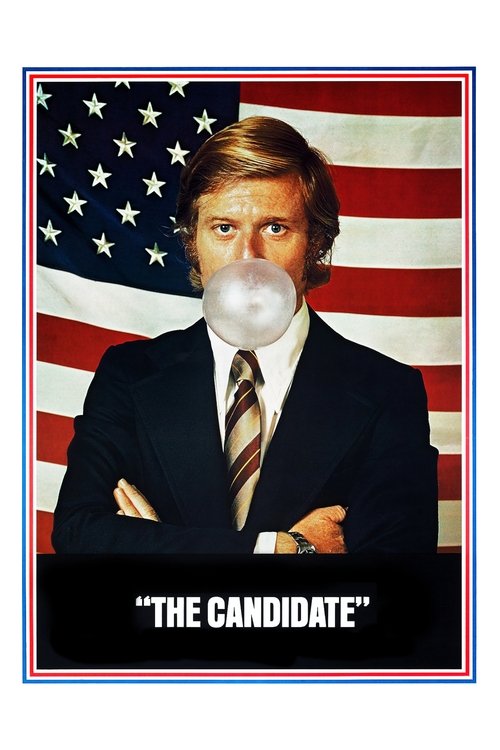
1972
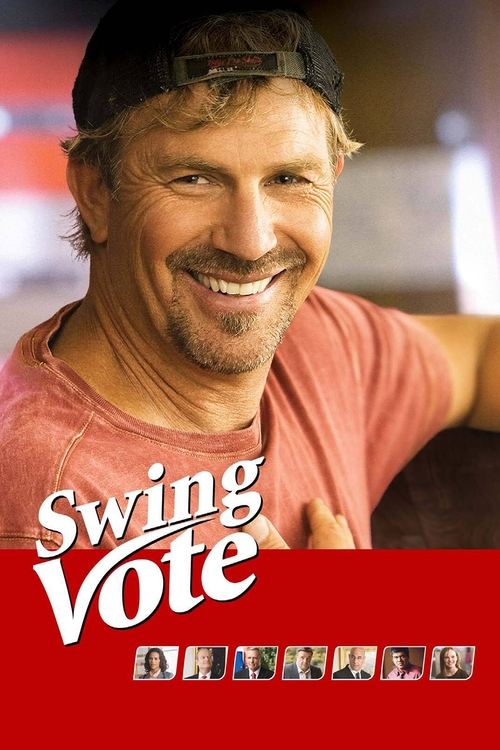
2008

1996

2018

1991
No reviews yet. Be the first to share your thoughts on this movie!
Use the rating form above to leave a star rating and optional review.