Plastered in Paris
1966
No user ratings available yet
Representation score: 1.8 out of 10
Representation Score
Limited
1967
ApprovedDirector
Gerry Chiniquy
Runtime
6 minutes
Average Rating
No ratings yetNew Showbiz Analysis
Tour de Farce is a character-driven slapstick animation that relies heavily on established comedic clichés. The narrative focuses on the Inspector Clouseau archetype, prioritizing physical comedy over social commentary. The film adheres to mid-century comedic conventions, which often sideline female presence and lack depth in representing diverse identities. The story structure reinforces traditional Western institutions and social hierarchies through its law-and-order premise. Ultimately, the work functions as a standard genre piece. It lacks the complexity needed to disrupt conventional social structures or offer meaningful representation for diverse identities.
Category Breakdown
The film does not include any LGBTQ+ characters or stories that explore non-cisgender identities. The main conflict revolves around a traditional law-enforcement figure versus a criminal, reinforcing binary social structures.
The story centers on a male protagonist and a male antagonist. Female characters do not play significant roles or challenge traditional gender hierarchies.
The setting suggests a focus on individual conflict and physical comedy. There is no indication of a diverse cast or the use of non-human species as ethnic metaphors.
The film uses a traditional law-and-order framework that supports the legitimacy of state institutions. It emphasizes preserving social order over critiquing Western institutions.
There is no mention of characters with visible or invisible disabilities. The available information does not provide a basis for assessing representation in this category.
Present on Screen
Limited or Absent
Official Synopsis
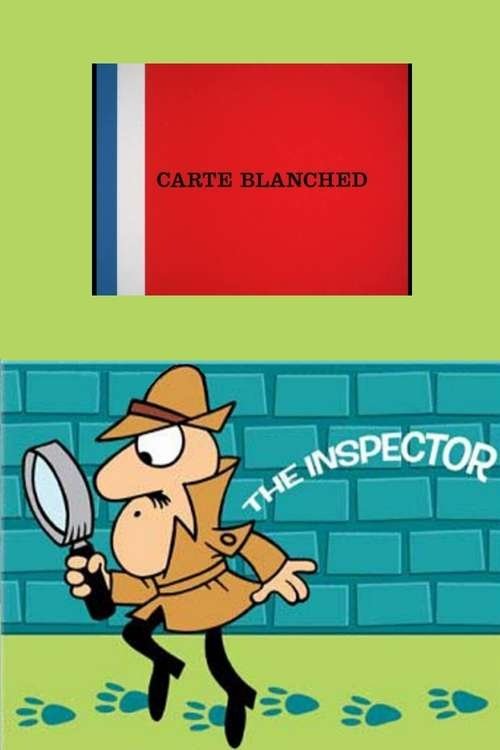
Inspector Clouseau is stranded on a deserted island with a vicious criminal, whom Clouseau had been assigned to transport to the prison on Devil's Island. The 22nd Inspector cartoon.
1966
2014
1967
1979
1967
1968
1966
1969
No reviews yet. Be the first to share your thoughts on this movie!
Use the rating form above to leave a star rating and optional review.