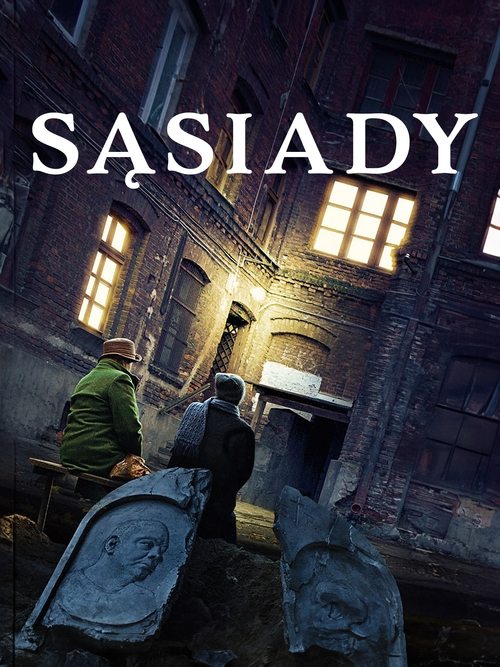
Neighborhooders
2014
No user ratings available yet
Representation score: 7.7 out of 10
Representation Score
Fair
2016
Director
Rajko Grlić
Runtime
90 minutes
Average Rating
No ratings yetNew Showbiz Analysis
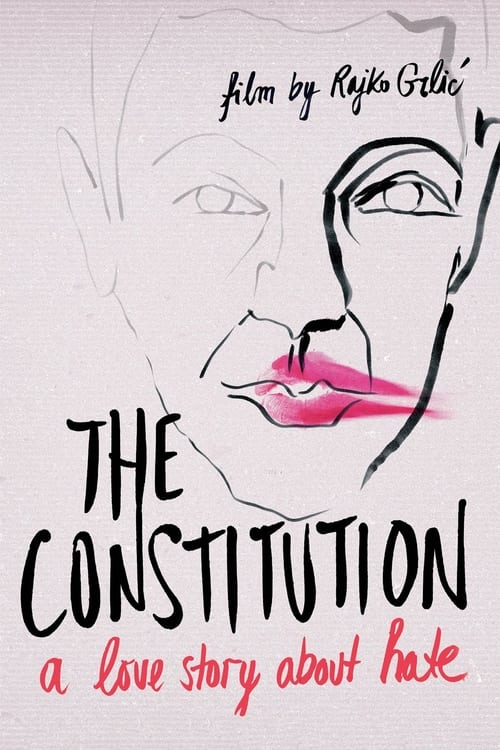
The Constitution serves as a micro-sociological study, using a shared living space to force interactions between diverse identities. It goes beyond simple inclusion to examine how religious, sexual, and national identities are negotiated within a changing state. The film excels at making the 'other' relatable and questioning the systemic frameworks of modern citizenship. It avoids simplistic moral resolutions, opting for a nuanced exploration of how national shifts affect private lives. However, the narrative remains somewhat tied to traditional power structures, particularly regarding gender and the overarching political storyline. The focus on nationality over traditional racial diversity also narrows its scope.
Category Breakdown
The film examines the tension between personal sexual orientation and a conservative society. It portrays personal identity as a political act that challenges rigid social hierarchies.
Women navigate the consequences of male-dominated political changes. They explore both domestic and social spaces, while the overarching political narrative remains focused on traditional masculine power structures.
The story highlights the complexities of nationality and the treatment of outsiders. It critiques exclusionary national identity through the lens of post-socialist state-building.
The film questions the stability of established norms by focusing on the drafting of a constitution as a source of upheaval. It delves into situational ethics and systemic conflicts.
There is no evidence provided to assess the representation of visible or invisible disabilities within the film.
Present on Screen
Limited or Absent
Official Synopsis
Four very different people live in the same building but avoid each other because of differences in how they live their lives, what they believe in, and where they come from. They would probably never exchange a word, but misfortune pushes them towards each other. Their lives entangle in ways that profoundly challenge deep-held beliefs and prejudices surrounding material status, sexual orientation, nationality and religion. Slowly, and even painfully, they begin to open up to each other and recognize the essential humanity each of them possesses.
2014
2011

2012
2018
2002

2017

2011
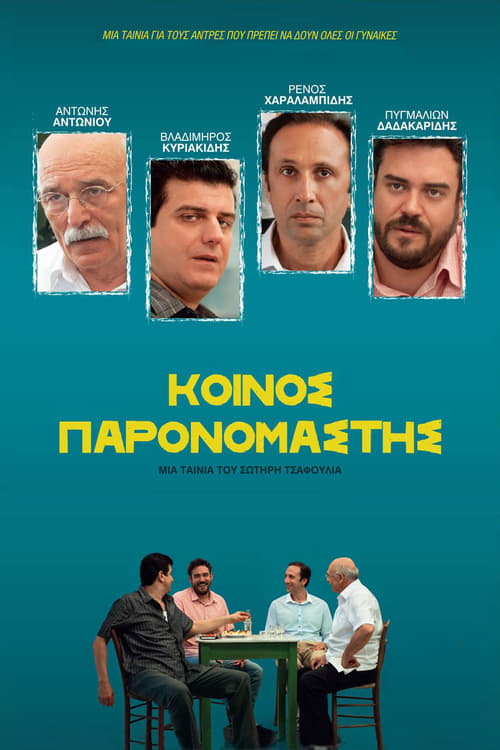
2014
No reviews yet. Be the first to share your thoughts on this movie!
Use the rating form above to leave a star rating and optional review.