
Hi, Junior!
1971
No user ratings available yet
Representation score: 5.0 out of 10
Representation Score
Limited
1979
Director
Jindřich Polák
Runtime
84 minutes
Average Rating
No ratings yetNew Showbiz Analysis
No Magic from Tomorrow is a period-specific family comedy that prioritizes whimsical subversion over modern diversity. While it lacks representation in terms of gender, race, and LGBTQ+ identities, it finds strength in its cultural commentary. The film uses its fantasy elements to challenge the authority of the state security apparatus. By positioning children and a magical outsider against a rigid inspector, it creates a narrative that values individual joy over institutional order. Ultimately, the film is a product of its era, offering a traditional demographic profile while providing a meaningful critique of systemic control through its central conflict.
Category Breakdown
The film does not include explicit LGBTQ+ characters or identities that challenge traditional norms. It focuses on the interactions between a magician, a security inspector, and children, adhering to conventional narrative structures.
The plot revolves around a male-dominated conflict between an authority figure and an eccentric outsider. There is limited evidence of women playing significant roles in the main tension.
Reflecting its 1979 Czechoslovakian production context, the film appears ethnically uniform. There is no indication of multicultural casting or the use of diverse characters as metaphors.
The narrative strongly critiques rigid systemic control by portraying state security as an obstacle to wonder. It celebrates the individual outsider against institutional overreach.
There are no characters with visible or invisible disabilities featured in the story.
Present on Screen
Limited or Absent
Official Synopsis
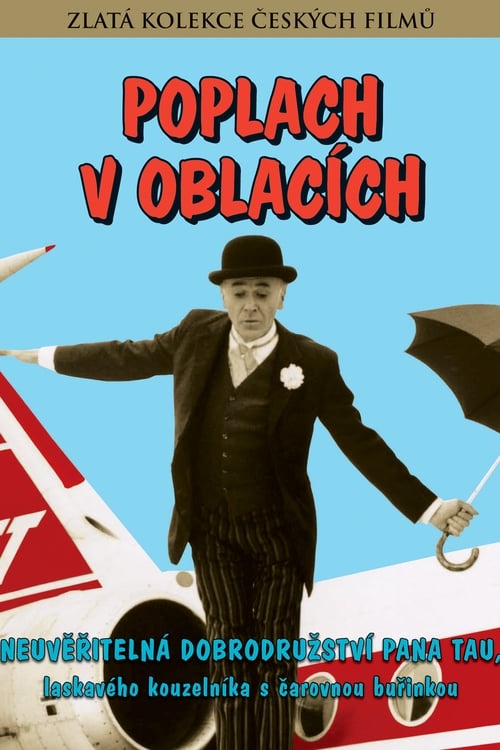
Mr. Tau, the quiet and kind magician with a bowler hat and an umbrella, shows up unexpectedly on the wings of a plane during flight. The terrified crew contact the airport security service. After the plane lands, Mr. Tau disappears. The third security inspector Málek is determined to catch the hooligan at any price. To achieve this, he gives up his holiday to visit the children's summer camp. Mr. Málek's son, who just like all the other children is delighted by the new camp cook, Mr. Tau himself, has unknowingly set the inspector on the magician's trail. But the children at the camp are determined not to let their beloved magician get caught and ingeniously place all sorts of traps in Inspector Málek's way.
1971
1984
1978

1972
1988

1970

2016
1972
No reviews yet. Be the first to share your thoughts on this movie!
Use the rating form above to leave a star rating and optional review.