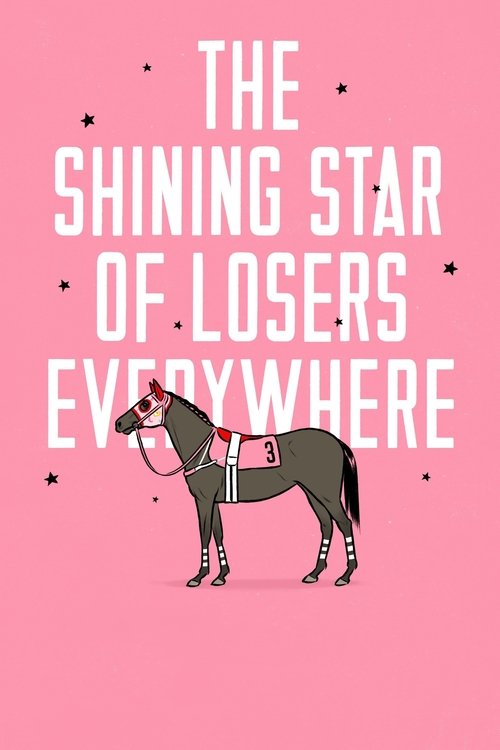
Harry & Snowman
2015
No user ratings available yet
Representation score: 1.5 out of 10
Representation Score
Good
2016
Director
Mickey Duzyj
Runtime
19 minutes
Average Rating
No ratings yetNew Showbiz Analysis
The documentary succeeds by deconstructing the traditional sports hero cliché. Instead of celebrating a winner, it finds profound meaning in a subject defined by repeated failure, reframing loss as a catalyst for communal hope. By centering on a Japanese thoroughbred, the film shifts the perspective away from Western-centric sporting narratives. It explores how a non-traditional figure can reshape social and institutional landscapes through emotional resonance rather than meritocratic success. While the film excels in cultural subversion and non-Western storytelling, it remains neutral on specific identity markers like LGBTQ+ representation or disability, focusing instead on the broader human-interest connection.
Category Breakdown
The documentary takes a neutral stance towards LGBTQ+ identities. There are no explicit depictions of non-straight relationships or specific identity markers within the narrative.
The film challenges traditional masculine stereotypes by focusing on a female protagonist. Haru Urara’s impact comes from vulnerability and persistence rather than physical strength or aggression.
This documentary moves beyond Western-centric sports clichés to explore Japanese cultural phenomena. It offers an authoritative look at the socio-cultural nuances of the Kochi Racetrack.
The narrative critiques meritocratic ideals by elevating a 'loser' to cultural significance. It celebrates communal support and situational morality over individual achievement and hyper-competitive structures.
The film does not provide specific depictions of human disability or neurodivergence.
Present on Screen
Limited or Absent
Official Synopsis
In Japanese, Haru Urara means “Glorious Spring.” But as this 30 for 30 Short, directed by Mickey Duzyj, makes delightfully clear, the name means a great deal more to the Japanese people. Haru Urara was a thoroughbred mare who never won a race. She first came to the public’s attention after her 88th straight loss at troubled Kochi Racetrack, then picked up more and more supporters with each defeat. With her pink Hello Kitty patches, she became a symbol of hope in Japan. And though she never did win, Haru Urara did accomplish something greater: she saved the racetrack.
2015
1978
2014
2004
1956

2021
2012
2016
No reviews yet. Be the first to share your thoughts on this movie!
Use the rating form above to leave a star rating and optional review.