Find another title
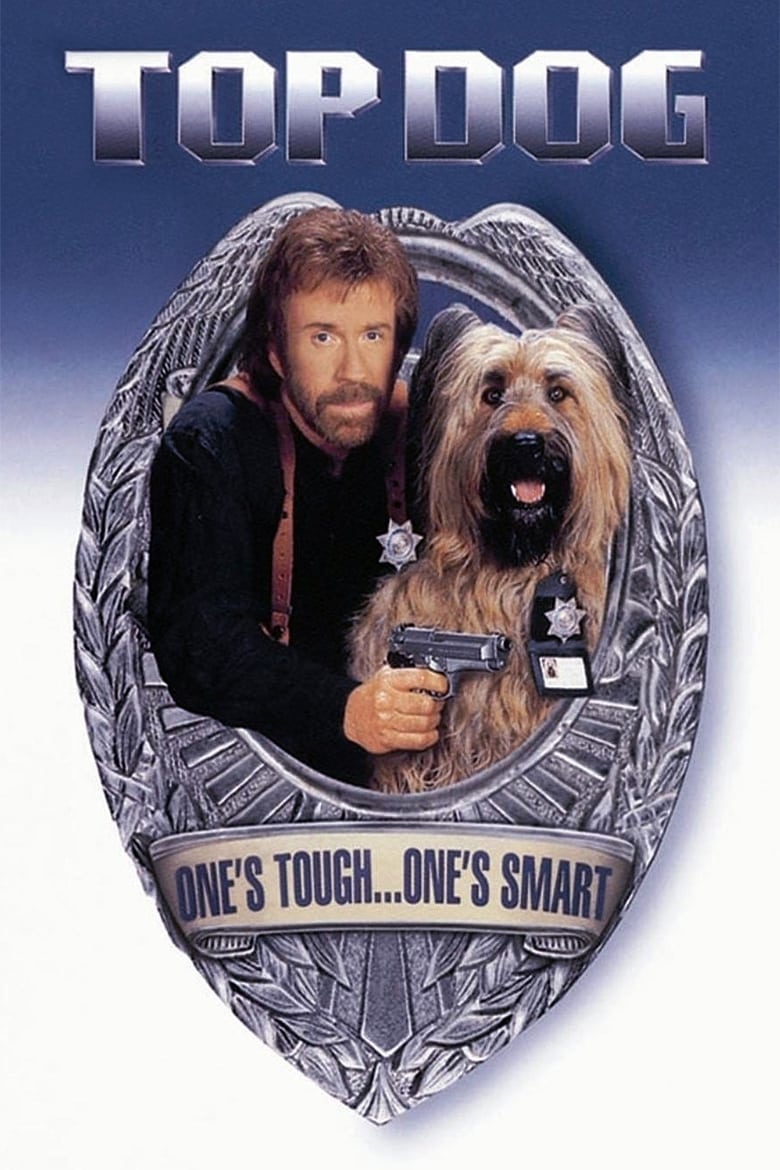
Top Dog
1995
PG-13Director
Aaron Norris
Runtime
86 minutes
Average Rating
No ratings yetSynopsis
With his cop companion shot and killed by terrorists, Reno The Dog pairs up with tough cop Jake in thwarting the criminal organization.
Where to Watch
Diversity & Representation
Overall Score
Limited
Category Breakdown
LGBTQ+ Representation
The film lacks visible LGBTQ+ characters or narratives. It adheres to the heteronormative structures typical of mid-90s action cinema without queer-coded subtext.
Gender Representation
The narrative centers on traditional masculine archetypes. The plot focuses on male protagonists engaging in physical combat, reinforcing conventional tropes of male-dominated leadership.
Racial & Ethnic Diversity
While featuring a diverse cast including Chuck Jeffreys, the film does not use race as a central thematic element. Casting aligns with standard industry practices of the era.
Religious & Cultural Diversity
The film operates within a standard Western framework of justice. It utilizes the heroic cop trope rather than critiquing Western institutions or social orders.
Disability Representation
There is no discernible representation of visible or invisible disabilities. Characters are portrayed through the lens of physical peak performance required by the action genre.
Strengths
- The film features a diverse cast of lead actors, such as Chuck Jeffreys.
Areas for Improvement
- The film lacks representation of LGBTQ+ identities or non-cisnormative narratives.
- The story relies heavily on traditional masculine archetypes and male-dominated leadership.
- There is no engagement with neurodivergence, chronic health conditions, or visible disabilities.
- The narrative does not utilize race or culture as tools for social commentary.
AI Analysis
Top Dog is a conventional mid-90s action-thriller that prioritizes traditional masculine agency and standard genre tropes. The story focuses on physical merit and combat rather than identity-based narratives. The film functions as a product of its era's mainstream cinematic standards. It shows little engagement with intersectional identities or the deconstruction of Western institutional power. Ultimately, the narrative architecture reinforces established hierarchies rather than attempting to disrupt social norms or offer diverse perspectives.
Rate this Movie
Reviews
No reviews yet. Be the first to share your thoughts on this movie!
Use the rating form above to leave a star rating and optional review.