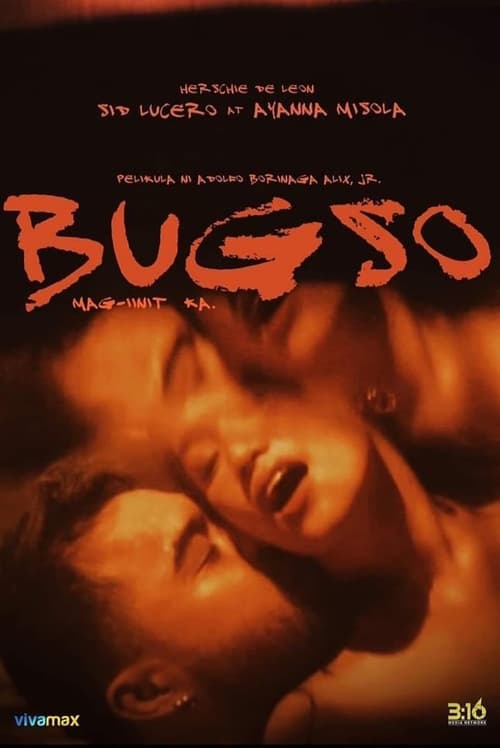
Bugso
2022
No user ratings available yet
Representation score: 6.0 out of 10

Representation Score
Fair
2008
Director
Adolfo Alix Jr.
Runtime
82 minutes
Average Rating
No ratings yetNew Showbiz Analysis
Immoral functions as a character study that disrupts the conventional nuclear family model. By centering a triad of a husband, wife, and lover in one household, the film explores non-traditional domesticity and fluid interpersonal structures. The work excels in cultural representation by using moral relativism to critique social institutions. It frames transgressive living arrangements as subjects of study rather than mere cautionary tales, offering a nuanced look at human ability to act. However, the film lacks specific information regarding disability representation and provides limited clarity on specific racial or LGBTQ+ identities beyond the broad domestic framework.
Category Breakdown
The film challenges traditional sexual politics through a non-monogamous living arrangement. While specific gender identities are not explicitly detailed, the triad structure departs from conventional norms.
The narrative destabilizes traditional hierarchies by placing a husband and wife in a shared space with a third party. This deconstructs typical patriarchal authority.
As a Philippine production, the film offers a localized Southeast Asian perspective. It shifts the cinematic focus away from Western-centric domestic clichés through its cultural context.
The story critiques traditional religious and social institutions by focusing on a socially labeled 'immoral' arrangement. It prioritizes situational ethics over prescriptive moral codes.
There is no evidence regarding the portrayal of physical or neurodivergent disabilities within the narrative.
Present on Screen
Limited or Absent
Official Synopsis
Tackles the dynamics of the relationship of a husband with his wife and his lover -- and they all live together in one house.
2022
1986

2022

1999

2021

1983

2024

2024
No reviews yet. Be the first to share your thoughts on this movie!
Use the rating form above to leave a star rating and optional review.