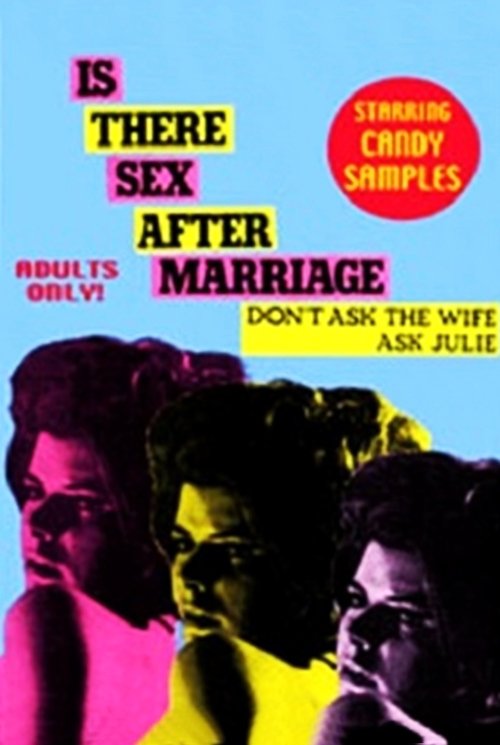
Is There Sex After Marriage
1972
No user ratings available yet
Representation score: 2.5 out of 10
Representation Score
Fair
1983
TV-14Director
Danny L. Zialcita
Runtime
122 minutes
Average Rating
No ratings yetNew Showbiz Analysis
Danny L. Zialcita’s drama explores the dissolution of marriage through the lens of individual desire. The film successfully deconstructs traditional nuclear families, prioritizing personal autonomy over rigid social or religious structures. However, the narrative remains focused on heterosexual dynamics. While it challenges social norms, it lacks explicit representation of non-assuming gender matches what was assigned at birth identities or multi-layered politics. Ultimately, the film serves as a character study of social transgression. It emphasizes situational ethics and personal ability to act, offering a sophisticated look at the complexities of urban relationships.
Category Breakdown
The film centers on heterosexual infidelity without showing same-sex intimacy. It questions traditional marriage vows but does not include any scenes of LGBTQ+ relationships.
The story allows characters to break free from traditional domestic roles, challenging expectations of female subservience and patriarchal stability.
This Philippine production provides a non-Western cultural perspective. However, it does not specify the blending of different ethnicities within the story.
The film examines infidelity through moral relativism rather than strict religious morality. It highlights the breakdown of traditional family structures.
There is no information available regarding the portrayal of physical or neurodivergent characters in this work.
Present on Screen
Limited or Absent
Official Synopsis
A story of married couples but leaves their own spouses for their relationship.
1972
1977
2003
1961

2008
1983

1982

2024
No reviews yet. Be the first to share your thoughts on this movie!
Use the rating form above to leave a star rating and optional review.