The Princess and the Matchmaker
2018
No user ratings available yet
Representation score: 3.8 out of 10
Representation Score
Good
2019
Director
Nam Dae-joong
Runtime
110 minutes
Average Rating
No ratings yetNew Showbiz Analysis
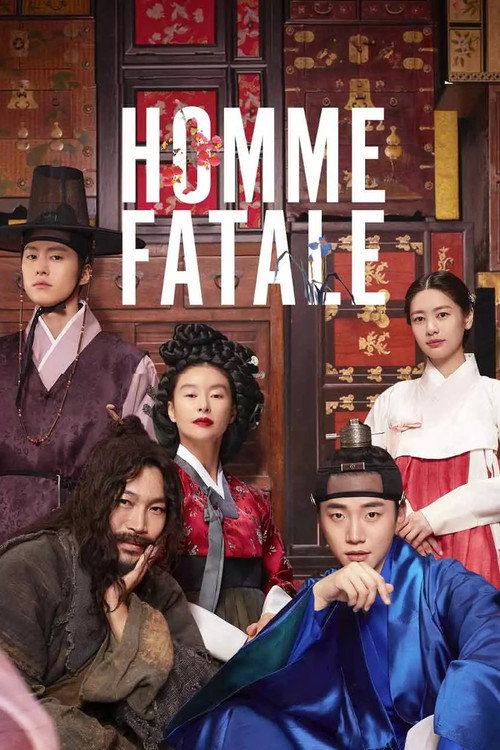
Homme Fatale uses a historical setting to challenge rigid social and gender norms. By centering the plot on a man performing as a gisaeng, the film goes beyond simple inclusion to actively challenge the binary constraints of its era. The inclusion of a female lead with progressive ideas provides a necessary counterpoint to traditional authority, allowing for a meaningful exploration of ability to act. While the film remains ethnically homogeneous due to its period setting, it finds depth in its critique of Confucianism. Ultimately, the film's strength lies in its subversion of the status quo, using gender non-conformity to drive its romantic and social commentary.
Category Breakdown
The story revolves around Huh Saek, a man who adopts the persona of a male gisaeng. This choice challenges traditional gender norms and explores gender fluidity through his performance.
The film shifts traditional power dynamics by placing a man in a historically female role. A strong female lead with progressive ideas further challenges conventional gender roles.
Set in a specific Korean historical context, the cast is ethnically uniform. The film emphasizes internal cultural nuances rather than multiculturalism, avoiding any evidence of whitewashing.
The narrative challenges Confucian social structures by focusing on a character who operates outside the established order. It uses progressive ideas to critique rigid, traditional historical institutions.
There are no identifiable depictions of physical or neurodivergent disabilities within the film's narrative.
Present on Screen
Limited or Absent
Official Synopsis
When Huh Saek decides to become a male gisaeng, he captivates countless women with his looks and talents but doubts the existence of true love — until he meets a girl with progressive ideas.
2018
1993
2010
2005
2014
2015
1988

2007
No reviews yet. Be the first to share your thoughts on this movie!
Use the rating form above to leave a star rating and optional review.