Persian Series #12
2000
No user ratings available yet
Representation score: 0.6 out of 10
No Poster Available
Representation Score
Fair
2000
Director
Stan Brakhage
Runtime
4 minutes
Average Rating
No ratings yetNew Showbiz Analysis
Stan Brakhage’s *Persian Series #9* is a formalist experiment that replaces human narrative with a sensory dance of color and light. Since the film is entirely non-narrative and abstract, it cannot provide representation through character or identity. Instead, its diversity lies in its systemic rejection of traditional cinematic frameworks. By eschewing the 'cinematic gaze' and standard Hollywood grammar, the film avoids the social hierarchies and archetypes typically found in representational media. Ultimately, the work functions as a deconstruction of the medium itself. It prioritizes a chaotic, non-linear experience over the reinforcement of specific cultural or social categories.
Category Breakdown
Since there are no human characters, the film cannot depict LGBTQ identities directly. However, its structure avoids traditional storytelling methods that might reinforce straight-centered assumptions.
With no gendered characters, the film sidesteps reinforcing gender stereotypes. Its focus on geometric shapes and colors creates a neutral visual field free of gender clichés.
While the title hints at cultural themes, the film’s abstract nature prevents any direct representation of race. It avoids racial stereotyping by operating in a non-representational space of light and color.
The film adheres to progressive values by rejecting institutional narratives. By discarding Western storytelling conventions, it challenges capitalist models of storytelling and embraces a subjective reality.
As there are no characters depicted, the film does not offer any representation of disability or neurodivergent experiences.
Present on Screen
Limited or Absent
Official Synopsis
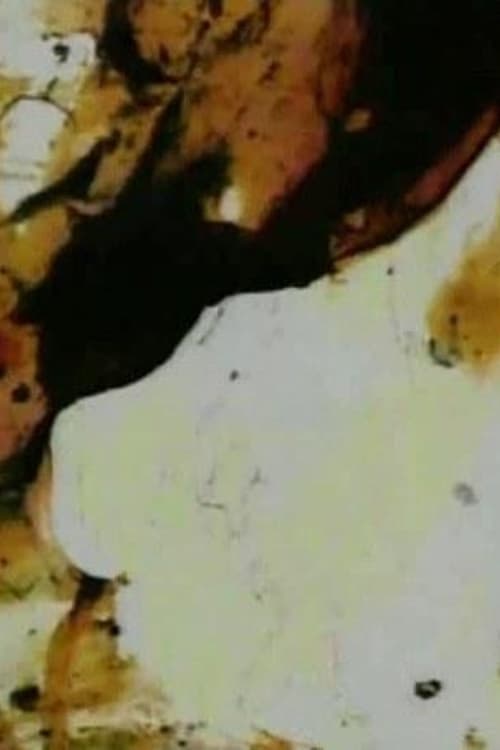
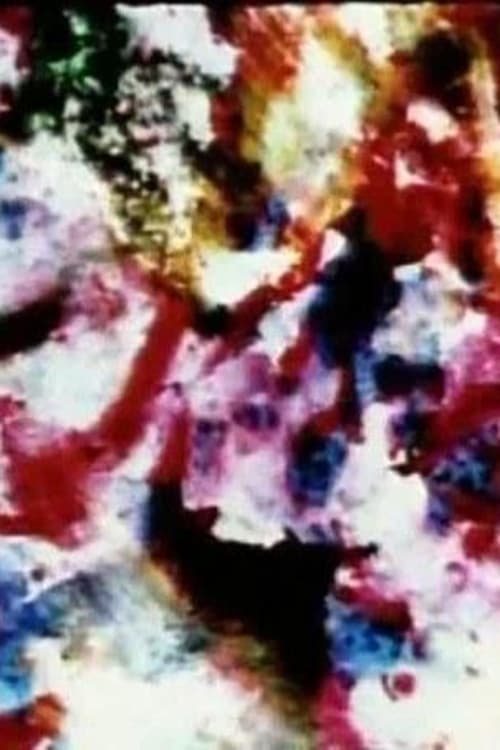
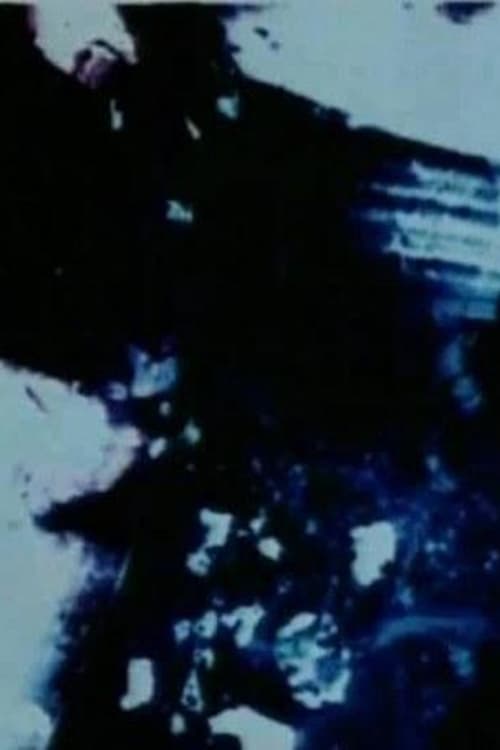
Sharp edged "chunks" of color set in black, straight, often multicolored, lines piercing shapes, imprisoning them, until they are fragmented bits of color in black: repeat of this theme again and again until darkness prevails, but is then broken open by pure white shards and "spears" restoring the original "dance" of hard-edge shapes and lines, which then begin to whirl clockwise, interspersed with fade-outs, and then shatter into "confetti" texture, in black, burnt "sugar-shapes" and the overwhelming flare of yellow.
2000
2000
2000
2000
2000
2000
2001
1999
No reviews yet. Be the first to share your thoughts on this movie!
Use the rating form above to leave a star rating and optional review.