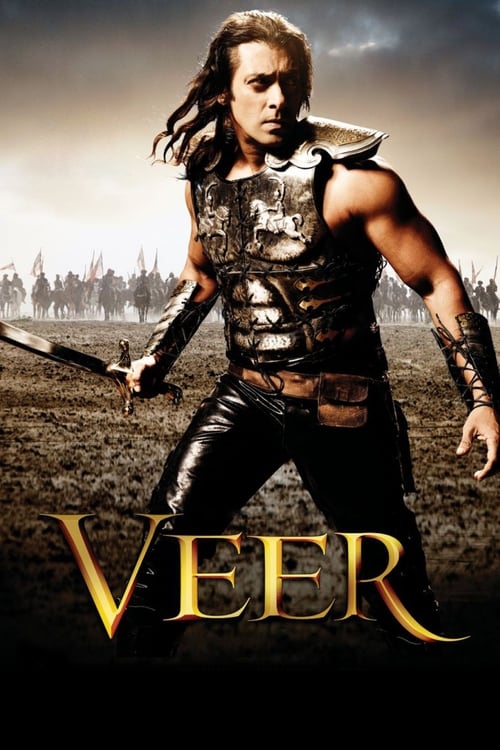
Veer
2010
No user ratings available yet
Diversity score: 2.6 out of 10
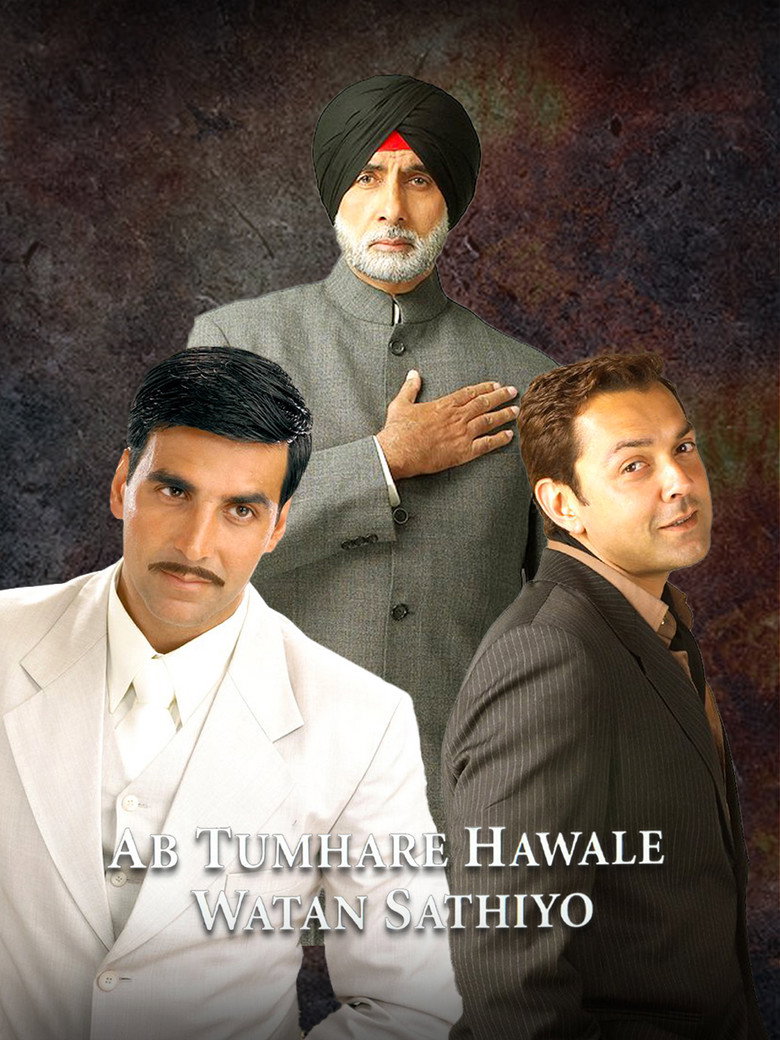
2004
Director
Anil Sharma
Runtime
192 minutes
Average Rating
No ratings yetSynopsis
All Maj. Amarjeet Singh wants is for his grandson Kunal to be as noble and brave as Amarjeet and the boy's father, Vikramjeet. But Kunal has other plans and does not wish to follow in his father's and grandfather's military legacies. Reluctantly, Kunal gives in and joins the army and ends up falling for Shweta, the widow of a fallen soldier. When the man later turns up alive, will Shweta return to him or stay with her new love?
Overall Score
Limited
Category Breakdown
LGBTQ+ Representation
The film follows a strictly heteronormative framework. The central romantic conflict involves a widow and two men, reinforcing traditional courtship and marital structures.
Gender Representation
Male characters are depicted through traditional masculinity as protectors and leaders. While Shweta is a central figure, her agency is largely defined by her relationships with men.
Racial & Ethnic Diversity
The cast is ethnically homogeneous, reflecting mainstream Indian cinema demographics. It presents a culturally cohesive portrayal of the military without relying on harmful racial stereotypes.
Religious & Cultural Diversity
The narrative prioritizes patriotism, military duty, and the sanctity of family. It celebrates traditional social and national institutions rather than subverting them.
Disability Representation
Disability is not a central component of the character arcs. There are no notable instances of neurodivergent or physically disabled characters being afforded agency.
Strengths
Areas for Improvement
AI Analysis
Ab Tumhare Hawale Watan Saathiyo is a conventional commercial melodrama that prioritizes nationalistic sentiment and traditional social hierarchies. The story centers on military legacy and romantic archetypes, reinforcing established cultural norms rather than challenging them. The film relies on a heteronormative romantic triangle and traditional gender roles. While it provides a cohesive portrayal of the Indian military experience, it lacks significant diversity in terms of identity, disability, or non-traditional social structures. Ultimately, the narrative functions as a celebration of duty, honor, and institutional stability, offering a singular moral compass centered on the nation-state and family sanctity.
No reviews yet. Be the first to share your thoughts on this movie!
Use the rating form above to leave a star rating and optional review.