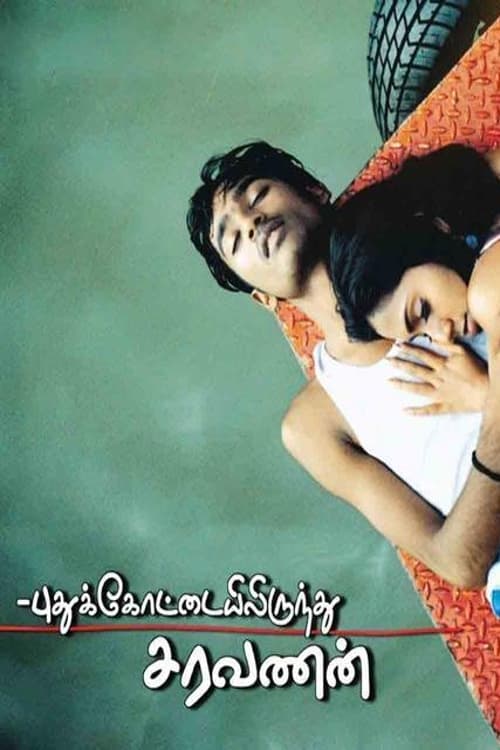
Pudhukottaiyilirundhu Saravanan
2004
No user ratings available yet
Diversity score: 2.9 out of 10
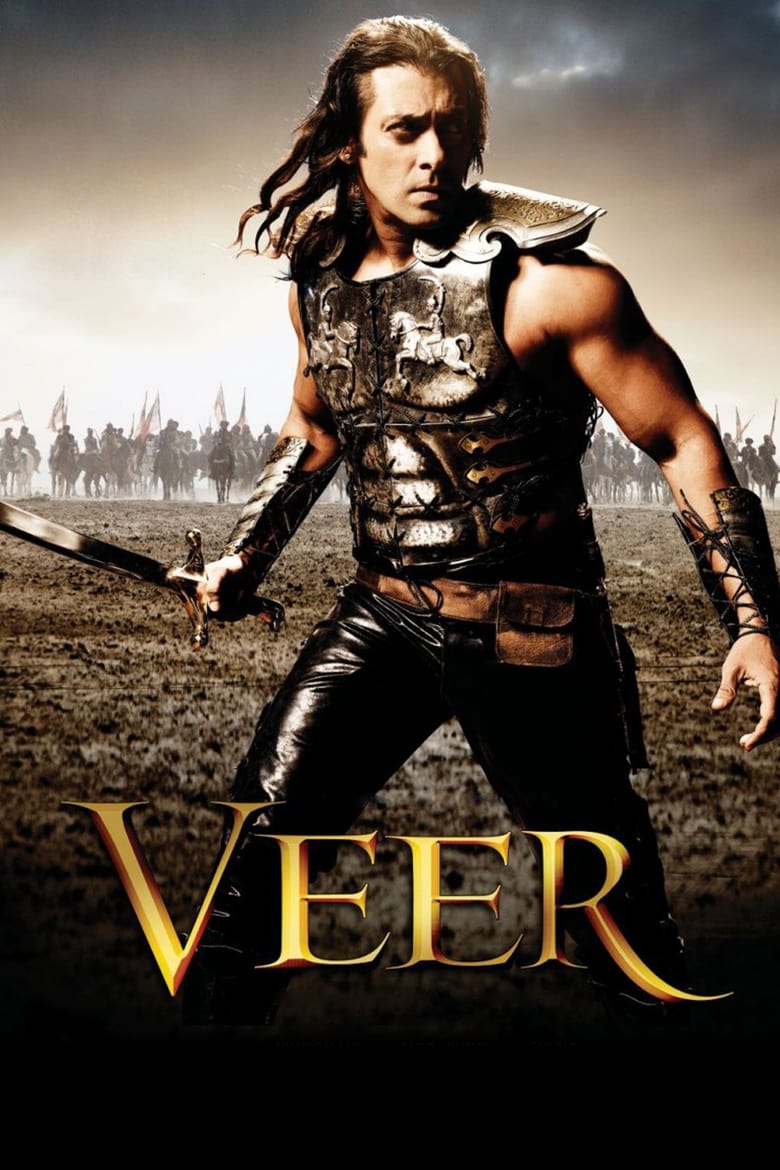
2010
Not RatedDirector
Anil Sharma
Runtime
160 minutes
Average Rating
No ratings yetSynopsis
A Pindari Prince goes to England to study military tactics so that he can avenge his people, but while there, he falls in love.
Overall Score
Limited
Category Breakdown
LGBTQ+ Representation
The film lacks any visible presence of LGBTQ+ characters or non-heteronormative identities. The narrative focuses strictly on a traditional romantic pairing.
Gender Representation
Gender hierarchies remain standard throughout the story. While the female lead is central to the romance, her agency is largely defined by her relationship with the protagonist.
Racial & Ethnic Diversity
The cast and setting are predominantly homogeneous, reflecting a specific North Indian cultural context. The film focuses on regional identity rather than intersectional casting.
Religious & Cultural Diversity
The story explores tensions between individual justice and feudal authority. However, it frames these struggles through personal honor rather than systemic critique.
Disability Representation
There is no meaningful depiction of physical or neurodivergent disabilities. Characters function within standard physical archetypes without agency-driven disability narratives.
Strengths
Areas for Improvement
AI Analysis
Veer is a traditional commercial production that prioritizes classical heroism and romantic idealism. It operates within established cinematic archetypes of the early 2010s, focusing on localized honor codes and individualist morality. The film reinforces existing social and gendered hierarchies rather than disrupting them. By centering the narrative on a noble hero and traditional masculine leadership, it avoids systemic critique or intersectional complexity. Ultimately, the work serves as a celebration of traditional values and protector tropes. It adheres to conventional storytelling structures that favor established cultural norms over progressive subversion.
2004
2006

2013
2005
2008
2008
2021
1991
2007
2012
2017
2002
No reviews yet. Be the first to share your thoughts on this movie!
Use the rating form above to leave a star rating and optional review.