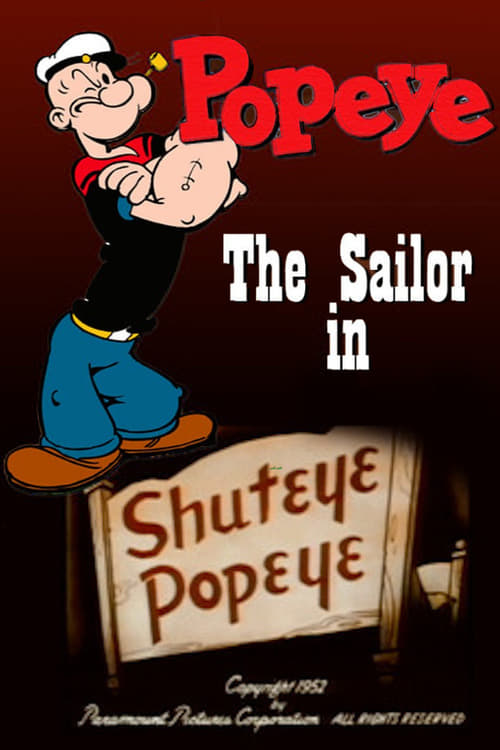
Shuteye Popeye
1952
No user ratings available yet
Representation score: 3.3 out of 10
Representation Score
Minimal
1950
ApprovedDirector
Seymour Kneitel
Runtime
6 minutes
Average Rating
No ratings yetNew Showbiz Analysis
This 1950s animation is a typical example of mid-century slapstick, focusing on character-driven vignettes rather than social complexity. The narrative centers on a simple conflict between an insomniac cat and a clever crow, using anthropomorphic animals to create physical comedy. Since the film focuses solely on this animal-centric dynamic, it lacks representation across most social categories. Characters are defined by their roles in a comedic loop rather than by identity or social positioning. Overall, the work reflects the industrial animation clichés of its time, emphasizing traditional humor over deeper social commentary.
Category Breakdown
The film doesn't include any LGBTQ+ characters or stories about non-cisgender identities. It focuses on animal characters instead.
The story revolves around two male-coded animal characters, an alley cat and a crow. There are no female characters or gendered social roles shown.
The characters are anthropomorphic animals rather than humans. The animal archetypes follow mid-century Western animation styles without clear ethnic references.
The story follows a straightforward comedic structure centered on a simple cause-and-effect loop. It doesn't critique Western institutions or explore complex moral issues.
Insomnia is used as a comedic plot device for the main character. The film doesn't offer a nuanced look at neurodivergence or meaningful representation of disabilities.
Present on Screen
Limited or Absent
Official Synopsis
An alley-cat, plagued with a bad case of insomnia, reads that the eating of a blackbird is a sure cure. He catches the first blackbird that comes along, which happens to be Buzzy the Crow (not to be confused with Walter Lantz's Buzz Buzzard), who not only talks like Rochester but is nearly as smart as Rochester. Buzzy, smart enough not to want to be eaten, convinces the dumb cat that he has better methods of curing his insomnia, and then proceeds to severely punish the cat with a variety of all painful, sleep-inducing tricks.
1952
1940
1947
1946
1950
1951
1942
1941
No reviews yet. Be the first to share your thoughts on this movie!
Use the rating form above to leave a star rating and optional review.