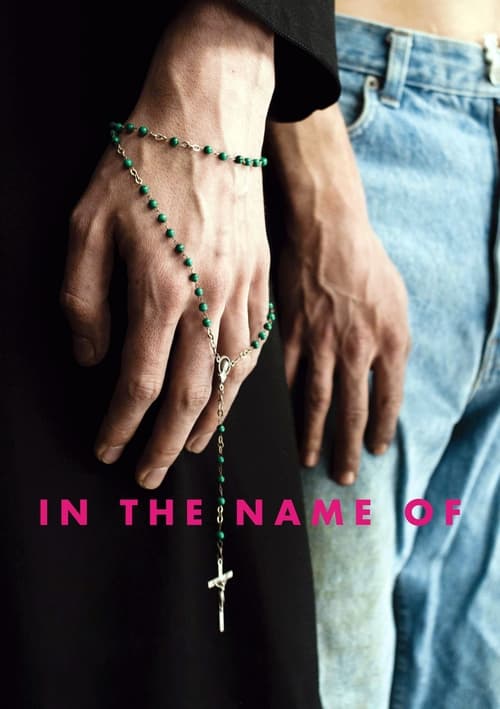
In the Name of...
2013
No user ratings available yet
Representation score: 4.3 out of 10

Representation Score
Good
2018
TV-14Director
Wojtek Smarzowski
Runtime
133 minutes
Average Rating
No ratings yetNew Showbiz Analysis
Clergy is a bold critique of institutional power that focuses on systemic issues rather than demographic diversity. While the cast is largely homogeneous, the film excels in its intense examination of traditional religious and social structures. It delves into the tension between personal identity and public doctrine. By replacing idealized religious imagery with a realistic portrayal of corruption and moral ambiguity, the film provides a gritty psychological study. However, its narrow focus on the Polish ecclesiastical context limits its exploration of racial and ethnic diversity. It serves more as a specific cultural analysis than a broad social commentary.
Category Breakdown
The film examines the conflict between traditional religious expectations and hidden desires. It highlights the psychological strain caused by keeping secrets within a strict religious environment.
The story centers on male clergy members and how institutional structures affect gender roles. Women are often sidelined or face the consequences of these institutions' decisions.
Set in contemporary Poland, the film features a predominantly homogeneous cast. It focuses on internal class and political hierarchies rather than racial or ethnic diversity.
The film critically examines the Catholic Church, depicting it as an institution driven by corruption and political maneuvering. It questions absolute religious morality through the lens of human fallibility.
The story emphasizes psychological and spiritual struggles over physical or neurodivergent disabilities. Mental instability is portrayed as a result of institutional pressure rather than specific disability issues.
Present on Screen
Limited or Absent
Official Synopsis
The fate of three Catholic priests were linked together through tragic events a few years back. Every year, on the anniversary of the catastrophe, they gather to celebrate their survival of the tragedy. Lisowski works at a curia in a big city, building his career while dreaming of the Vatican. Standing in his way, Mordowicz, the archbishop, a luxurious church dignitary who is making use of his political connections to build the largest sanctuary in Poland. Trybus, is a parish priest and often submits to human weaknesses. Kukuła also is not doing well. Despite his passion for faith, he is losing the trust of his flock. Soon, through new tragic events, the paths of the three priests will cross again.
2013
1951
2019

2006
2007
2024
2015

2017
No reviews yet. Be the first to share your thoughts on this movie!
Use the rating form above to leave a star rating and optional review.