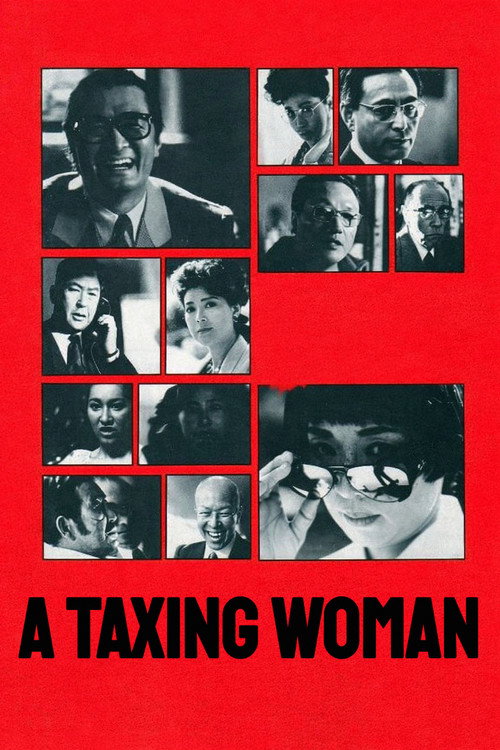
A Taxing Woman
1987
No user ratings available yet
Representation score: 7.0 out of 10

Representation Score
Good
1988
Director
Jūzō Itami
Runtime
127 minutes
Average Rating
No ratings yetNew Showbiz Analysis
A Taxing Woman's Return stands out by challenging traditional power structures. By focusing on a skilled female investigator, the film questions the patriarchal hold on bureaucratic and investigative authority. Additionally, the story offers a critical look at religious institutions, depicting them as corrupt systems rather than moral guides. Despite its cultural specificity and lack of explicit LGBTQ+ or disability representation, the film effectively subverts gendered roles and institutional sanctity.
Category Breakdown
The film doesn't provide explicit information about LGBTQ+ identities, but the protagonist's focus on personal empowerment hints at a possible challenge to traditional family roles.
Ryōko Itakura breaks away from traditional feminine stereotypes with her tough demeanor and intellect. She demonstrates superior mental strength compared to the male-dominated systems she investigates.
The film reflects the ethnic uniformity of its Japanese setting and time period. The cast aligns with the cultural and historical context of the late 1980s.
The story critiques religious institutions by portraying them as corrupt entities driven by greed rather than moral guidance. It presents organized spirituality as a vehicle for financial exploitation.
The narrative does not include characters with visible or invisible disabilities.
Present on Screen
Limited or Absent
Official Synopsis
Ryōko Itakura returns as the tough-as-nails government taxing agent. This time she must figure out a way to expose a fanatical religious cult lead by a corrupt sociopath.
1987

1992

1994

1990

2023
1993
No reviews yet. Be the first to share your thoughts on this movie!
Use the rating form above to leave a star rating and optional review.