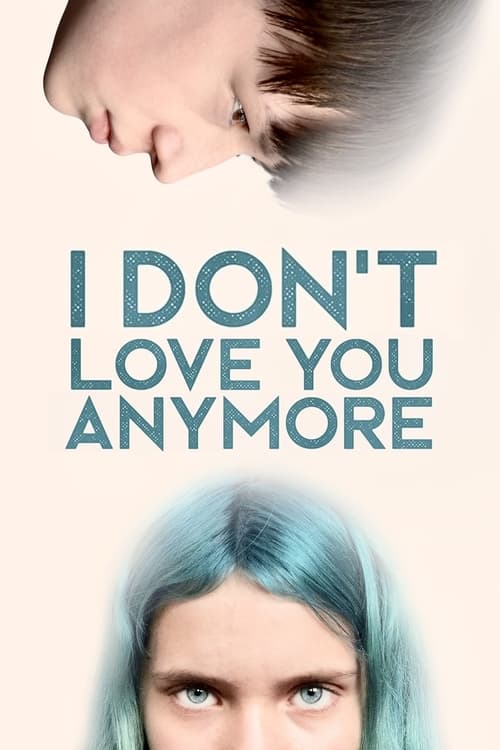
I Don't Love You Anymore
2024
No user ratings available yet
Representation score: 4.6 out of 10
Representation Score
Fair
2014
Director
Radim Špaček
Runtime
108 minutes
Average Rating
No ratings yetNew Showbiz Analysis
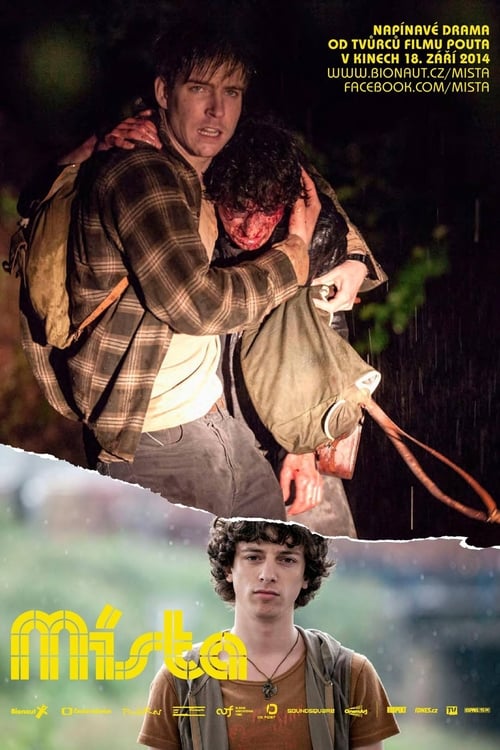
Místa is a historical deconstruction that prioritizes atmospheric realism over traditional heroics. It provides a sophisticated critique of wartime morality, moving away from simplistic good-versus-evil clichés to explore the psychological brutality of occupation. However, the film lacks diversity in terms of identity representation. It focuses almost exclusively on masculine archetypes and straight-centered structures, leaving little room for LGBTQ+ identities or significant women's ability to drive the story. The racial composition is strictly tied to the historical setting of occupied Czechoslovakia. Ultimately, the film's value lies in its cultural complexity rather than its demographic breadth. It offers a harrowing look at the erosion of ethics during systemic collapse, even if it remains narrow in its character demographics.
Category Breakdown
The film adheres to the social structures of the 1940s, assuming everyone is straight or cisgender. There is no evidence of non-binary gender identities or same-sex relationships among the main characters.
Masculine archetypes, such as soldiers and partisans, dominate the narrative. Women are mostly shown on the sidelines, lacking the central role to challenge traditional hierarchies.
The casting reflects the historical landscape of Nazi-occupied Czechoslovakia. While it accurately represents the ethnic tensions of the time, it maintains a homogeneous ethnic makeup.
The narrative challenges the conventional idea of wartime heroism by emphasizing moral relativism. It highlights the breakdown of social order and the necessity of vigilantism as a result of systemic occupation.
There is no prominent depiction of visible or invisible disabilities. Characters are defined by their resistance roles or socioeconomic status rather than physical or mental impairments.
Present on Screen
Limited or Absent
Official Synopsis
A coming of age story about love, loss and revenge centers around two teenage friends, Adam and Marek, whose aimless lives in a small town are suddenly disrupted by the appearance of Anna, the troubled daughter of a rich and influential local businessman. Initially her free spirit energizes Adam but soon he finds himself thrown into a spiraling chain of events. His innocence is about to be abruptly replaced with the adult emotions of guilt, fear and revenge.
2024

2014

2011

2014
2017

2016
2008
1999
No reviews yet. Be the first to share your thoughts on this movie!
Use the rating form above to leave a star rating and optional review.