Rocking Poponguine
1994
No user ratings available yet
Representation score: 6.0 out of 10
Representation Score
Good
2002
Director
Tony Gatlif
Runtime
90 minutes
Average Rating
No ratings yetNew Showbiz Analysis
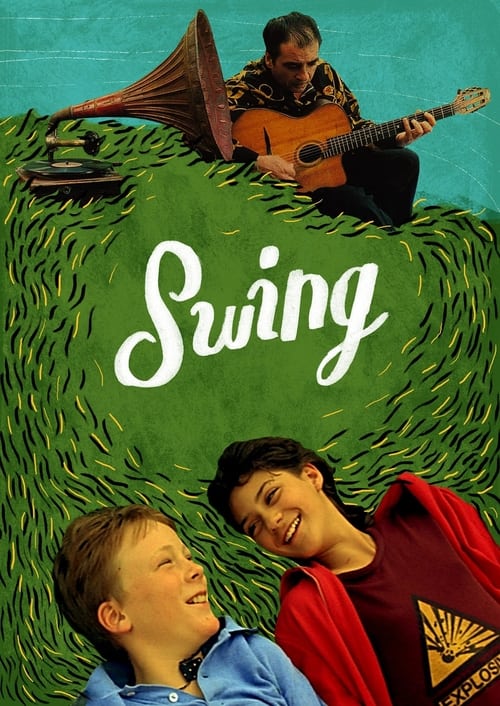
Tony Gatlif’s film is a powerful exploration of cultural immersion. It succeeds by granting the Romani community intellectual and artistic authority, moving beyond mere exoticism to showcase a sophisticated way of life. The strength of the work lies in its refusal to treat the Romani lifestyle as a spectacle. By centering the music and traditions of the Manouche people, the film creates a space where underrepresented voices lead the story. However, the film lacks specific focus on LGBTQ+ identities or disability representation. While it excels in ethnic and cultural depth, these specific narrative dimensions remain largely unaddressed.
Category Breakdown
The film does not include explicit LGBTQ+ characters or romantic arcs, focusing instead on broader social dynamics.
The character 'Swing' subverts traditional feminine archetypes by playing a significant role in driving the story. She serves as the protagonist's guide rather than a domestic figure.
The film centers the Manouche Romani community, providing authentic ethnic representation. Casting actors with genuine cultural backgrounds ensures the characters have real authority.
The narrative highlights Romani traditions and internal wisdom, such as herbal knowledge. It portrays a self-sustaining cultural ecosystem existing alongside mainstream French society.
There are no prominent depictions of physical or neurodivergent disabilities that drive the central narrative.
Present on Screen
Limited or Absent
Official Synopsis
In a suburb of Strasbourg, Alsace, France, ten year old boy, Max, spends his summer vacation with his grandmother. He hears Manouche gypsy Romani music being played in a local bar, and loves it. He goes to visit the gypsies in search of a guitar, where he meets a young Romani tomboy, 'Swing'. She introduces Max to her gypsy community who live in caravans and down-at-heel public housing. Over several days, Max is taken into the community to witness Romani lifestyle, traditions, knowledge of plants, and particularly their Manouche music. Max is particularly fascinated by Miraldo, the Romani guitarist he first heard in the bar, and asks to take guitar lessons with him (Miraldo is played by one of the greatest guitarists of gypsy jazz, Tchavolo Schmitt).
1994
1998
2010
2017
1993
1999
1983
1995
No reviews yet. Be the first to share your thoughts on this movie!
Use the rating form above to leave a star rating and optional review.